
SAMHSA, the Substance Abuse and Mental Health Services Administration, is a valuable resource for understanding the relationship between marijuana use and mental health. Through various surveys and studies, SAMHSA provides comprehensive data on trends, patterns, and impacts of marijuana use on mental health issues in the United States. This information is crucial for policymakers, healthcare professionals, and the general public to make informed decisions regarding marijuana use and its potential effects on mental well-being.
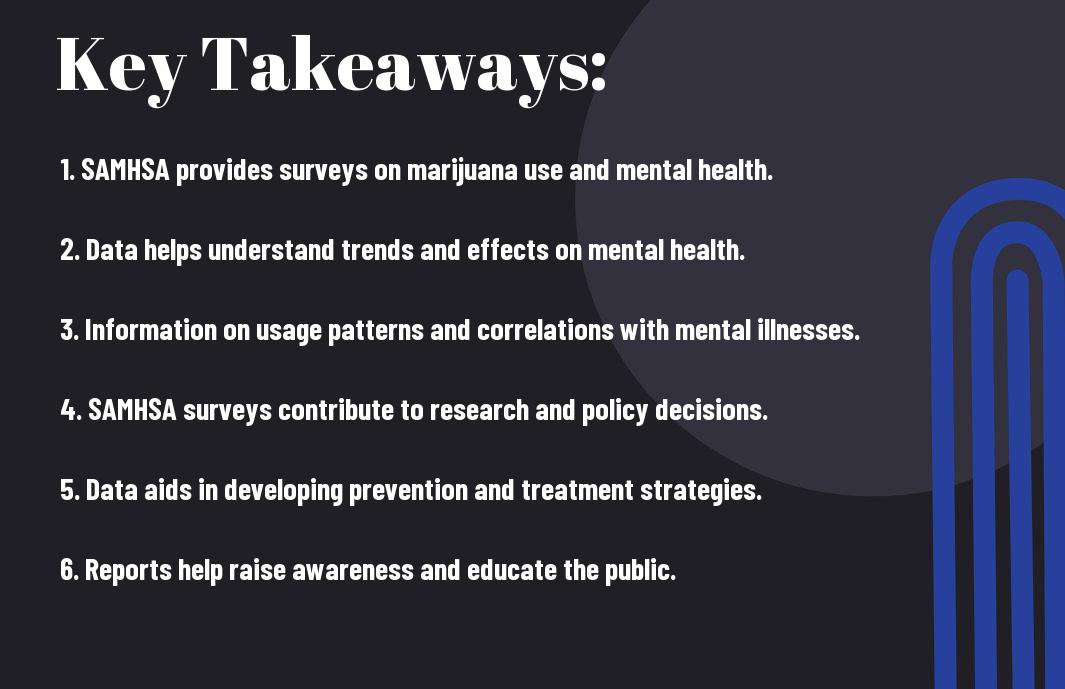
Key Takeaways:
- Data on Marijuana Use: SAMHSA provides data on the prevalence and trends of marijuana use among different demographic groups in the United States.
- Data on Mental Health: SAMHSA also collects information on the mental health consequences of marijuana use, including the impact on individuals’ well-being and mental health disorders.
- Co-Occurrence of Marijuana Use and Mental Health Issues: The data from SAMHSA sheds light on the relationship between marijuana use and the development or exacerbation of mental health issues.
- Prevention and Intervention Efforts: This data can be used to inform prevention and intervention efforts aimed at reducing the negative impact of marijuana use on mental health.
- Educational Resources: SAMHSA provides resources and information based on their data to educate the public, healthcare professionals, and policymakers on the risks associated with marijuana use and its effects on mental health.
Overview of Marijuana Use Statistics
Little is known about the prevalence of marijuana use and its impact on mental health, but the Substance Abuse and Mental Health Services Administration (SAMHSA) provides valuable data on the subject. The 2022 National Survey on Drug Use and Health (NSDUH) is one of the primary sources for understanding the trends and patterns of marijuana use in the United States.
Prevalence of Marijuana Use in the United States
States across the country have varying rates of marijuana use, with some regions showing higher prevalence than others. The NSDUH data allows us to track the changing landscape of marijuana use over time, providing insights into the challenges and trends facing public health officials.
Demographic Breakdown of Marijuana Users
One key aspect of understanding marijuana use is examining the demographic breakdown of users. This includes factors such as age, gender, race/ethnicity, and socioeconomic status. By analyzing these demographics, we can better tailor prevention and intervention strategies to address the needs of specific populations.
Statistics show that certain demographic groups are more likely to use marijuana than others, highlighting the importance of targeted outreach and education efforts. Understanding the different patterns of use among various demographics is crucial for developing effective public health policies and interventions.
Mental Health and Marijuana Usage
Impact of Marijuana on Mental Health Conditions
All too often, individuals turn to marijuana as a coping mechanism for mental health issues such as anxiety, depression, or PTSD. However, evidence suggests that while marijuana may provide temporary relief, long-term use can exacerbate these conditions. Research shows that heavy marijuana use is linked to an increased risk of developing psychosis, particularly in individuals with a predisposition to psychotic disorders.
Co-Occurrence of Substance Use and Mental Disorders
Conditions
Individuals with mental health disorders are more likely to use substances like marijuana as a way to self-medicate and alleviate their symptoms. This dual diagnosis of a substance use disorder and a mental health disorder, known as co-occurring disorders, presents unique challenges in diagnosis and treatment. Effective interventions must address both the substance use and underlying mental health issues to promote long-term recovery and well-being.
SAMHSA’s National Survey on Drug Use and Health
To learn more about SAMHSA’s National Survey on Drug Use and Health, please visit SAMHSA Announces National Survey on Drug Use and Health.
Methodology and Data Collection
Health. The National Survey on Drug Use and Health (NSDUH) is a leading source of national data on substance use and mental health in the United States. The survey collects information from approximately 70,000 individuals aged 12 and older through face-to-face interviews. Data is collected on a variety of topics, including substance use, mental health disorders, and treatment utilization.
Key Findings Related to Marijuana and Mental Health
Related. It is crucial to understand the relationship between marijuana use and mental health outcomes. According to the NSDUH, findings related to marijuana use and mental health show that individuals who use marijuana are more likely to experience mental health disorders such as anxiety and depression. These findings highlight the importance of addressing both substance use and mental health issues concurrently for overall well-being.
Resources and Programs for Prevention and Treatment
SAMHSA’s Evidence-Based Initiatives
Treatment programs offered by SAMHSA are rooted in evidence-based practices that have been proven effective in addressing marijuana use and mental health issues. These initiatives focus on prevention, early intervention, and treatment to support individuals in overcoming substance use disorders and improving their mental well-being.
Accessing Help for Marijuana Use and Mental Health Concerns
To access help for marijuana use and mental health concerns, individuals can reach out to SAMHSA’s National Helpline at 1-800-662-HELP (4357). This helpline offers confidential and free assistance 24/7, connecting individuals to local treatment facilities, support groups, and community resources that can provide the necessary intervention and care.
Marijuana use can have negative impacts on mental health, including increased anxiety, depression, and cognitive impairment. It is vital for individuals struggling with these issues to seek help from qualified professionals who can provide appropriate treatment and support to address their unique needs.

Conclusion
As a reminder, SAMHSA provides valuable data on the relationship between marijuana use and mental health. Through surveys and research studies, SAMHSA collects and analyzes information to better understand the impacts of marijuana on individuals’ mental well-being. This data is crucial for policymakers, healthcare professionals, and the general public to make informed decisions and develop appropriate interventions to address any potential mental health concerns associated with marijuana use.
FAQ
Q: What data does SAMHSA provide on marijuana use and mental health?
A: SAMHSA, the Substance Abuse and Mental Health Services Administration, provides data on marijuana use and its impact on mental health through various reports and surveys. These data include statistics on the prevalence of marijuana use among different age groups, its effects on mental health disorders, and trends in usage over time.
Q: How can the data from SAMHSA help understand the relationship between marijuana use and mental health?
A: By analyzing the data provided by SAMHSA, researchers and policymakers can gain insights into the connections between marijuana use and mental health outcomes. This information can help in developing targeted interventions, prevention strategies, and treatment programs for individuals struggling with co-occurring substance use and mental health disorders.
Q: Where can I access SAMHSA’s data on marijuana use and mental health?
A: SAMHSA publishes reports, surveys, and other resources on its website that contain valuable information on marijuana use and mental health. These data can be accessed through the SAMHSA website’s publications section or by reaching out to SAMHSA directly for specific data requests or inquiries.