
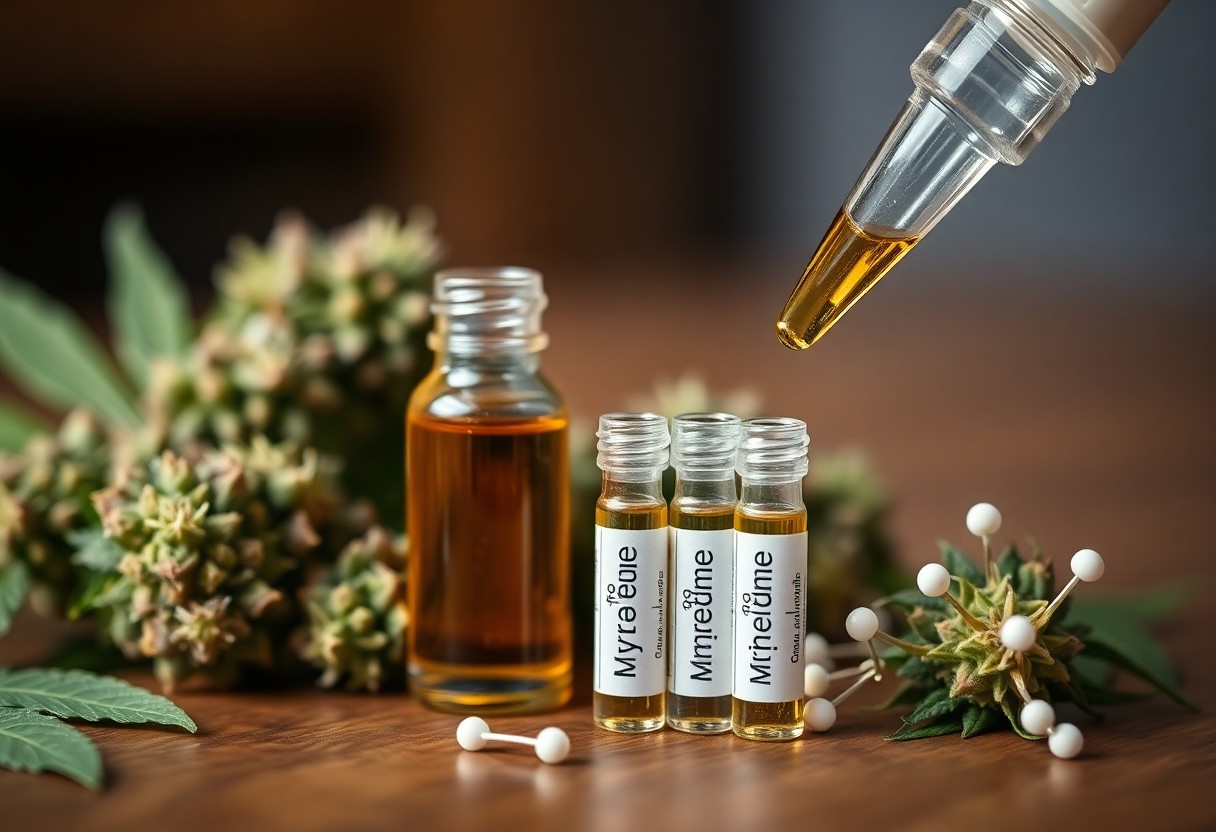
Most people overlook terpenes, the aromatic compounds that shape cannabis’s scent and effects; you should know they directly influence aroma, flavor, and how a strain affects you, interact with cannabinoids like THC and CBD to modify potency and experience, and offer therapeutic benefits such as anti-inflammatory or anxiolytic properties, though some terpenes can trigger allergic or adverse reactions in sensitive users; understanding terpenes helps you choose safer, more effective products that match your needs.
Key Takeaways:
- Terpenes are aromatic plant compounds that give cannabis its smell and flavor and are non-psychoactive.
- They interact with cannabinoids and the body (the “entourage effect”) to modify effects, therapeutic benefits, and side-effect profiles.
- Terpene profiles help guide strain and product selection for targeted effects and inform breeding, extraction, and dosing decisions.
What Are Terpenes?
Terpenes are small, aromatic hydrocarbons produced by plants that shape the smell and flavor of cannabis and help determine how your experience unfolds. In cannabis over 200 terpenes have been identified, with a handful like myrcene, limonene, and caryophyllene dominating many profiles. They interact with cannabinoids to modulate effects and can affect medication interactions via metabolic enzymes, so you should consider terpene content when choosing a product.
- Volatile aroma compounds that define strain scent and flavor.
- Modulators of effects through cannabinoid and receptor interactions.
- Plant defense and signaling against pests and environmental stress.
- After they can alter therapeutic outcomes and side-effect risks for you.
| Myrcene | Earthy, musky; often dominant in indica-leaning strains; linked to sedative effects and can be >30% of total terpenes in some samples. |
| Limonene | Citrus; associated with mood elevation and anxiolytic properties; common in sativa-leaning profiles and present in citrus peels. |
| Pinene | Pine aroma; may promote alertness and act as a bronchodilator; found widely in conifers and some cannabis cultivars. |
| Linalool | Floral, lavender-like; noted for anti-anxiety and analgesic effects and appears in calmer, relaxation-oriented strains. |
| Caryophyllene | Spicy, peppery; unique in that it binds the CB2 receptor, offering anti-inflammatory benefits without psychoactivity. |
Definition and Role in Plants
In plants terpenes are biosynthesized in glandular trichomes, where they function as scents to attract pollinators or repel herbivores, and as chemical defenses against microbes and insects. You’ll find they also offer UV and oxidative protection and can change with growth stage, light, and nutrients, so terpene profiles vary significantly across cultivars and cultivation methods.
Types of Terpenes Found in Cannabis
Most cannabis profiles are dominated by a core set of terpenes-myrcene, limonene, pinene, linalool, and caryophyllene-but over 200 have been catalogued overall. These compounds influence aroma and combine with THC/CBD in the entourage effect, shifting sedation, focus, or anti-inflammatory action depending on relative concentrations you encounter in a strain.
Lab analyses show that typically 5-10 terpenes account for 60-90% of a strain’s aromatic profile; concentrations are reported as percentages of dry weight or mg/g. You should note terpenes are heat-sensitive-vaping, smoking, and extraction methods alter which terpenes remain-while caryophyllene’s CB2 activity is a clear example of a terpene directly affecting biology rather than only scent.
- Top five terpenes often dictate therapeutic direction of a strain.
- Concentrations are measured in mg/g or % of dry weight in lab tests.
- Processing (heat, solvents) selectively preserves or degrades terpenes.
- After you select products based on terpene profiles to match desired effects.
| Myrcene | Often high in indica-leaning cultivars; correlated with relaxation and muscle relaxation effects. |
| Limonene | Frequently used to target mood and stress; shows antifungal and antibacterial actions in some studies. |
| Pinene | May support respiratory ease and memory retention; resistant to some heat compared with monoterpenes. |
| Linalool | Valued for anxiolytic and sedative applications; common in strains marketed for sleep or pain relief. |
| Caryophyllene | Acts as a dietary cannabinoid at CB2, offering anti-inflammatory effects and potential therapeutic benefit. |
The Importance of Terpenes in Cannabis
Terpenes shape how you experience a strain beyond THC/CBD, with over 100 common terpenes identified; myrcene, limonene, and pinene often dominate profiles. You rely on these molecules for effects, aroma and potential safety interactions; for deeper reading see What Are Cannabis Terpenes and What Do They Do?. Growers and labs use terpene reports to predict behavior and pair strains to outcomes.
Flavor and Aroma Profiles
You notice citrus from limonene, pine from pinene, floral notes from linalool, and earthy musk from myrcene; dominant terpenes can exceed 1% of flower weight in high-terpene cultivars. Producers profile terpene ratios to curate taste-sativa-lean strains often show higher pinene and limonene, while indica-lean strains frequently contain more myrcene, guiding your strain choice by scent and flavor.
Interaction with Cannabinoids
You benefit from terpene-cannabinoid synergy-often called the “entourage effect”-where terpenes modulate THC and CBD activity; a notable review by Russo (2011) collated preclinical and clinical observations supporting this. For example, myrcene has been associated with increased sedation when paired with THC, while limonene and pinene can shift perceived alertness, influencing which strain you choose for day versus night.
Mechanistically, terpenes can modulate neurotransmitter receptors (GABA, serotonin) and enzyme activity-preclinical work shows linalool affects GABAergic signaling and pinene can inhibit acetylcholinesterase-while some terpenes may alter metabolism through liver enzymes such as CYP450, potentially changing cannabinoid potency or duration; most human data remain limited, so you should weigh strain chemistry, not just THC percentage.
Terpene Profiles Across Different Strains
Across strains you’ll see distinct terpene signatures: citrus-forward varieties like Lemon Haze show high limonene, piney lines such as Jack Herer and Durban Poison lean on pinene, and classic couch‑lock indicas (Granddaddy Purple, Northern Lights) often carry abundant myrcene. Typical terpene totals run about 0.5-2% by dry weight, so you should consult lab reports when targeting specific effects or avoiding over‑sedation.
Indica vs. Sativa
In indicas you’ll commonly find higher levels of myrcene and linalool, associated with relaxation and sleep, making them prone to sedating outcomes at higher doses. Sativa-dominant strains tend toward limonene and pinene, which can enhance mood and alertness; if you need daytime functionality, prioritize sativas with documented pinene and limonene percentages to reduce unexpected drowsiness.
Hybrid Strains and Unique Combinations
Hybrids blend terpene profiles so your result depends on the dominant chemotype: Blue Dream (sativa-leaning) often pairs myrcene with pinene, while Girl Scout Cookies mixes caryophyllene and limonene for analgesic and uplifting notes. When you pick hybrids, compare terpene charts-breeders intentionally combine terpenes to amplify either therapeutic or recreational effects that single-line indicas or sativas might lack.
Dig deeper by reading lab chemovar reports showing terpene percentages (for example, limonene 0.7%, caryophyllene 0.4%) alongside cannabinoid ratios; you can find CBD-dominant hybrids bred for elevated linalool to address anxiety. Be aware hybrids can also raise risks-mixing high THC with sedating terpenes increases chances of over‑intoxication and some terpenes provoke headaches in sensitive users-so start low and use the data to guide your choice.
Terpenes and Their Impact on Effects
Terpenes significantly shape how cannabis feels and performs: myrcene (commonly 0.1-1.0% in indica-dominant strains like Granddaddy Purple) is linked to sedation, limonene in Lemon Haze correlates with mood uplift, pinene in Blue Dream supports alertness, and linalool imparts anxiolytic qualities. You’ll notice that terpene profiles can change onset, peak, and duration of THC/CBD effects, so strain selection matters as much as cannabinoid ratios.
Potential Therapeutic Benefits
You can leverage terpenes therapeutically: beta-caryophyllene acts as a CB2 agonist with documented anti-inflammatory activity in preclinical models, linalool shows anxiolytic effects in rodent studies, limonene has antidepressant-like data, and myrcene offers analgesic and muscle-relaxant properties. Clinical evidence is growing but often comes from small trials or animal work, and you should be aware of possible drug interactions when combining terpene-rich products with prescription medications.
The Entourage Effect
Evidence supports an entourage effect where terpenes and cannabinoids act synergistically: a 2011 review by Ethan Russo synthesized preclinical and clinical signals that whole-plant extracts can produce different outcomes than isolated THC or CBD. You’ll see this in practice-terpenes may modulate receptor activity, alter pharmacokinetics, and shape subjective response, so formulations with specific terpene blends often behave differently than single-compound products.
Mechanistically, terpenes can influence cannabinoid action by modulating receptors, altering membrane permeability, and affecting metabolic enzymes; for example, beta-caryophyllene’s CB2 activity enhances anti-inflammatory signaling in preclinical models. You should watch for CYP450 interactions that can change drug levels, and use terpene-aware choices to tailor outcomes-select calming linalool-rich chemovars for anxiety or pinene-forward varieties when you need focus.
How to Preserve Terpenes in Cannabis Products
You should minimize heat, light, oxygen and time exposure to protect terpenes; store finished products at 15-21°C with 55-62% RH, use amber glass or opaque containers, and purge packaging with inert gas when possible. Fast handling matters: every hour at room temperature accelerates terpene loss, while formulations that add back terpene fractions (typically 0.5-5% by weight) can restore aroma and effect after aggressive processing.
Storage and Handling Practices
You’ll get the best terpene retention by using airtight, non-reactive containers (amber glass or mylar), keeping humidity at 55-62% RH-196°C); for cured flower, freezing can shatter trichomes and cause terpene loss. Rotate stock and limit light exposure-UV accelerates terpene degradation.
Extraction Methods
You should choose low-temperature, short-residence extraction to preserve volatiles: CO2 (critical point 31°C, 73.8 bar) run in sub/supercritical modes at controlled temps retains many terpenes, cold ethanol at ≈-40°C holds aromatics well, and rosin pressing at 70-90°C preserves profile without solvents. Hydrocarbon solvents recover terpenes efficiently but are dangerous (flammable) and require rigorous purge to avoid residues.
Extraction nuance matters: many terpenes boil below 200°C (myrcene ~166-168°C, limonene ~176°C, linalool ~198°C), so avoid distillation at atmospheric pressure. You can use short-path or wiped-film distillation under reduced pressure to lower boiling points, or fractionate terpenes and reintroduce them at formulation (commonly 0.5-3% by weight) to recreate desired aroma and entourage effects while ensuring solvent removal in vacuum ovens at <40°C to protect volatiles.
Legal and Industry Implications of Terpene Research
Regulatory Considerations
You’ll face a patchwork of rules: the FDA hasn’t approved terpenes as inhalable additives, state agencies like California’s BCC require contaminant testing but often lack terpene standards, and the EU’s Novel Food framework has flagged botanical extracts for pre-market review. With over 150 identified terpenes, inconsistent labeling creates compliance risk, and inhalation of heated terpenes can produce irritants or toxic byproducts-so your formulations need validated safety data and traceable sourcing.
Future in Cannabis Market
Terpene profiling is becoming a market differentiator: you can charge premiums when products show standardized profiles and targeted effects, and industry analysts forecast the global legal cannabis market to exceed $70 billion by 2027, with terpene-driven extracts and vaping blends capturing a growing share. Expect brands to use certified terpene labels, targeted blends (e.g., linalool for relaxation), and retail education to command higher margins.
You should invest in standardized GC‑MS terpene profiling and consumer education to capture value: companies supplying terpene isolates enable consistent ratios that retailers market as “strain‑specific” experiences, and in one case study a boutique brand increased per‑unit price by 15-25% after adding terpene certificates and sensory descriptors. Also, as vaping safety concerns persist, you must prioritize validated thermal degradation studies, since heating terpenes above ~200-300°C can form reactive aldehydes. Finally, R&D into synthetic versus botanical terpenes will shape supply chains-botanical extracts appeal to premium buyers, while synthetics lower costs-so your sourcing will directly affect margin, compliance, and consumer trust.
FAQ
Q: What are terpenes in cannabis?
A: Terpenes are aromatic organic compounds produced in the glandular trichomes of cannabis (and many other plants). They are volatile molecules grouped into classes such as monoterpenes and sesquiterpenes, and each has a characteristic scent and chemical profile. Common cannabis terpenes include myrcene (earthy, musky), limonene (citrus, bright), pinene (pine, sharp), linalool (floral, calming) and caryophyllene (spicy, peppery). Beyond scent, terpenes play ecological roles for the plant-attracting pollinators, deterring pests and pathogens, and protecting tissues from environmental stress.
Q: How do terpenes affect the effects and therapeutic potential of cannabis?
A: Terpenes influence aroma and flavor, which shape user experience, and they can modulate pharmacological effects by interacting with cannabinoids, receptors, and metabolic pathways. The “entourage” concept describes how terpenes plus THC, CBD and other compounds can alter onset, intensity and subjective quality of effects-examples include myrcene often being associated with more sedating profiles, pinene potentially opposing short-term memory impairment, and limonene linked to mood-elevating effects. Preclinical and some clinical data show terpene-driven anti-inflammatory, analgesic, anxiolytic and antimicrobial actions, but magnitude and consistency vary by dose and combination, so evidence is evolving rather than definitive.
Q: How should I use terpene information when choosing or consuming cannabis?
A: Use terpene profiles (lab-reported totals and individual percentages) alongside cannabinoid data rather than relying solely on strain names. Smell intact flower to detect dominant terpenes, and prefer consumption methods that preserve volatile terpenes-vaporization at appropriate temperatures retains more terpenes than high-temperature combustion; edibles often lose volatile terpenes during cooking. Start with low doses when trying a new profile, be aware that concentrates and extracts can concentrate specific terpenes, and store products in cool, dark, airtight containers to preserve terpene content. Consider potential irritant effects from inhaling concentrated terpenes and possible interactions with medications; consult a healthcare provider if you have health concerns or are on prescription drugs.