
gummies can be an effective daily aid when you choose products with consistent microdoses and third-party lab testing, so you can manage dosage and expect predictable effects; as you explore options, prioritize clear labeling and terpene/cannabinoid profiles to match your needs. Be aware of possible impairment and interactions with medications, and always monitor how your body responds before increasing dose to keep daily use safe and beneficial for your routine.
Key Takeaways:
- Consistent daily dosing of 2.5-5 mg THC delivers mild, predictable effects and makes titration easier.
- Choose brands with third‑party lab testing and transparent labeling to ensure potency accuracy and contaminant screening.
- Match formulation (isolate, broad‑spectrum, full‑spectrum), onset, and duration to lifestyle needs and adjust dose gradually to find the right balance.
What are Low-Dose THC Gummies?
You’ll see low-dose THC gummies delivering precise, small amounts of delta‑9 THC-commonly 1-5 mg per piece-so you can microdose daily with less intoxication than standard 10 mg edibles. Many users start at the lowest dose and wait up to 90-120 minutes to judge effects before increasing; this pace helps you find a steady daily dose that manages symptoms without disrupting work or routine.
Definition and Potency
You should treat low-dose gummies as servings that typically contain ≤5 mg THC, with 2.5 mg being a common mid-range option. Onset usually appears in 30-90 minutes and effects can last 4-8 hours depending on metabolism and whether you ate; because edibles undergo first-pass liver metabolism, plasma THC peaks are lower but longer-lasting than inhalation.
Benefits of Low-Dose THC
You can expect targeted benefits like reduced situational anxiety, easier sleep initiation, and mild analgesia at low doses-many users report positive changes at 2.5-5 mg. Lower dosing tends to produce fewer cognitive side effects and less daytime sedation, making it practical for routine use while maintaining daily responsibilities; response, however, varies by tolerance, body weight, and concurrent medications.
For practical application, start at 1-2.5 mg for daytime anxiety and consider 2.5-5 mg for evening or sleep support, dosing 45-90 minutes before need. Pairing THC with CBD in a higher-CBD ratio often reduces psychoactive intensity, and tracking dose-response over two weeks helps you optimize effects. Keep in mind that impairment can still occur even at low doses-avoid driving or operating machinery until you know your personal reaction.
Top Brands for Low-Dose THC Gummies
Brand Comparisons
You can quickly spot differences by focusing on dose, price, and testing: many reputable lines offer 2.5-5 mg THC per gummy, packs range from about $12-$35, and brands that publish third-party COAs give you the best safety signal. Compare lab-verified potency, declared terpene profiles, and whether a product uses full-spectrum or isolate to match your tolerance and desired effects.
| Brand | Notable Info |
|---|---|
| Wana | Popular microdose options (commonly 2.5-5 mg), fruit flavors, widely available and lab-tested |
| Wyld | Consistent dosing, pectin-based gummies with natural fruit extracts, COAs accessible online |
| Kiva | High manufacturing standards, precise dosing lines (micro to standard), premium pricing |
| Plus | Low-dose options aimed at daily use, emphasis on predictable onset and flavor variety |
| Local craft brands | Often unique terpene blends and small-batch quality; check COAs for batch variability |
Unique Features
You should weigh features like CBD:THC ratios, terpene-enhanced formulas, and ingredient lists-some brands use vegan pectin, others gelatin; several market a microdose line at 2.5 mg per piece for steady daily use. Packaging that lists batch numbers and direct COA links helps you verify purity and solvent/pesticide testing before you buy.
Going deeper, you’ll notice brands differentiate on extraction and formulation: CO2-extracted full-spectrum concentrates can deliver a broader cannabinoid and terpene profile that enhances effect synergy, while THC-isolate gummies offer cleaner, predictable THC without other cannabinoids. Some companies add calming terpenes like myrcene or linalool to target relaxation, and others include low-dose CBD (e.g., 1-5 mg) to soften psychoactivity. When you evaluate options, cross-check onset times reported by users (30-90 minutes typical), variability across batches via COAs, and any listed allergens or sugar content if you’re using gummies daily. Prioritizing transparent lab data and conservative dosing reduces the risk of unexpected strength or contaminants, keeping your routine safer and more reliable.
Health Benefits of Daily Low-Dose THC Use
You can get measurable benefits from very low doses-many users report relief at about 2-5 mg THC daily. Regular low-dose use can ease chronic pain, improve sleep quality, and blunt day-to-day anxiety without heavy intoxication; see curated product picks like Best THC Gummies of 2025: 6 THC Edibles for Stress, Pain … for practical options. Stay aware that higher doses often reverse benefits and increase risk.
Pain Management
You’ll often find low-dose THC helpful for neuropathic and musculoskeletal pain when taken consistently; patients commonly report functional gains using 2-5 mg daily. Small trials and real-world cohorts show reductions in pain intensity and opioid reliance when THC is paired with routine dosing. Prioritize products with clear dosing and test a single dose on low-activity days so you can gauge effects without disrupting work or driving.
Anxiety Relief
At low doses, THC can lower situational anxiety and improve social comfort for many people, but its effects are dose-sensitive: 1-5 mg is commonly anxiolytic, while higher doses can trigger panic or paranoia. You should pair low-dose THC with calming routines and avoid stimulants; track your responses over two weeks to assess sustained benefit versus tolerance.
More detailed guidance: combine low-dose THC with CBD in a 1:1 to 1:4 ratio to often enhance anxiolysis and blunt intoxication, and expect edible onset in 30-90 minutes with effects lasting 4-8 hours. You should titrate by increasing no more than 1-2 mg every 3-4 days, log your anxiety scores, and stop or lower dose if sleep disruption, increased heart rate, or worsening mood appear. If you take psychiatric medications, consult a clinician because interactions and individual variability can change outcomes.
How to Choose the Right Low-Dose THC Gummy
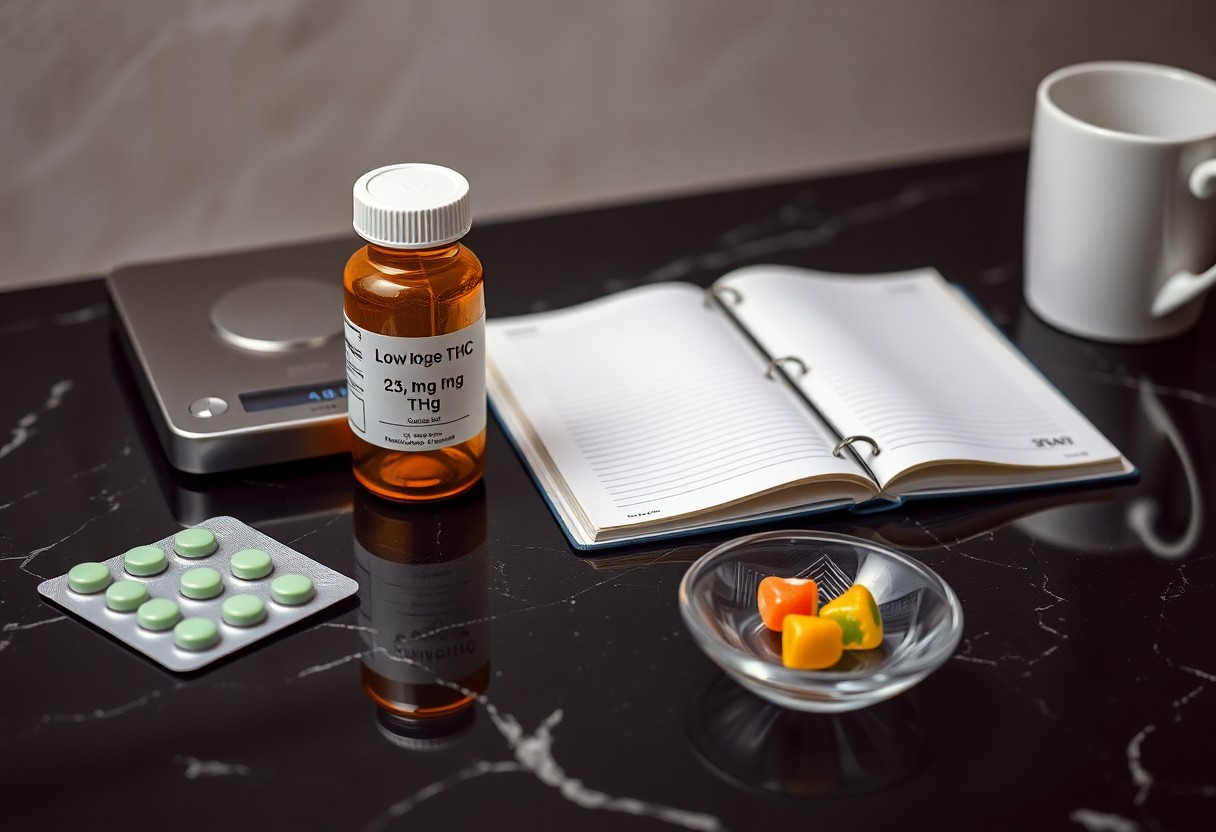
When you pick a low-dose gummy, focus on precise dosing, onset time, and ingredient transparency: typical low-dose products range from 2.5-5 mg THC per piece, with onset in about 30-90 minutes and effects lasting 2-6 hours. Compare lab results for potency and contaminants, check the CBD:THC ratio (a 1:1 blend often eases anxiety), and factor in your tolerance, body weight, and daily routine before designing a consistent plan.
Dosage Considerations
You should start at a conservative 2.5 mg serving and only increase by another 2.5 mg after several days of consistent testing to gauge effects; low-dose is generally 2.5-5 mg, moderate 5-10 mg, high >10 mg. Keep in mind the delayed onset to avoid doubling doses, monitor cumulative daily intake, and be aware of potential interactions with medications metabolized by CYP450 enzymes, such as warfarin; consult your clinician if you take prescription drugs.
Flavor and Texture Preferences
You’ll want flavors and textures that fit your daily use: citrus, berry, or mint can be uplifting for daytime, while mellow flavors suit evening. Choose pectin-based (vegan) gummies for allergen-free options and gelatin gummies if you prefer a chewier bite. Also check sugar content-most gummies contain about 2-6 g sugar and 10-25 kcal per piece-which matters if you monitor calories or blood sugar.
Consider how texture affects dosing experience: firmer gummies hold up better in pockets and travel without softening, while softer or sugar-coated varieties may dissolve quicker in your mouth and feel stronger initially. Store gummies in a cool, dry place-heat can make them sticky and alter dose perception-and avoid sour-sugar types if you have a sensitive stomach or acid reflux, since the coating can irritate mucous membranes.
Potential Side Effects and Considerations
Daily low-dose THC can produce mild benefits but also risks you should track: at doses of 2.5-5 mg onset is typically 30-90 minutes and effects last 4-6 hours, yet repeated use can lead to tolerance, altered sleep architecture, or dependence in a minority of users; you should monitor cognitive changes, daytime drowsiness, and any decline in work or driving performance and adjust dosing or take breaks as needed.
Common Side Effects
With low-dose gummies you may notice dry mouth, red eyes, slight dizziness, increased appetite, or transient anxiety; many users report mild relaxation or improved sleep while about 10-30% experience unwanted anxiety or lightheadedness at first. Start at 2.5 mg and titrate slowly, keeping a log of dose, timing, and symptoms to identify patterns and minimize adverse effects.
When to Consult a Professional
If you experience chest pain, severe confusion, hallucinations, a heart rate above 100 bpm, or symptoms lasting more than 24 hours, stop use and seek medical attention; also consult before using if you take anticoagulants, anticonvulsants, SSRIs, or have liver disease, heart conditions, or are pregnant/breastfeeding, since THC can interact with medications and exacerbate underlying conditions.
Bring the product label (THC per gummy, total mg), a current medication list, and note timing of symptoms when you consult your clinician or pharmacist; they can check for CYP3A4/CYP2C9 interactions (relevant to warfarin, certain statins, and some antiepileptics), recommend dose adjustments, order baseline tests like liver panels or ECG if you have cardiac risk, or suggest alternatives such as CBD-forward formulations or non-pharmacologic therapies.
Legal Status of THC Gummies
State-Specific Regulations
You’ll encounter a state-by-state patchwork: adult-use markets like California, Colorado and Washington allow retail THC gummies to adults 21+, while many states restrict access to medical programs. Federally, hemp-derived cannabinoids under the 2018 Farm Bill must meet a 0.3% Δ9-THC by dry weight threshold, yet several states (Idaho, Iowa, Utah) explicitly ban delta‑8 or hemp-derived synths. Check your state regulator for specific potency caps, testing mandates and labeling rules you must follow.
Purchasing Guidelines
You should purchase from licensed dispensaries or verified retailers and insist on a current COA showing potency and contaminant testing for pesticides, heavy metals and residual solvents. Start at 2.5-5 mg per gummy; avoid products labeled over 10 mg if you want daily low-dose use. Verify age verification (usually 21+), child‑resistant packaging, clear per‑serving mg, and expect typical prices of $10-$30 per 10‑pack. Beware unbranded imports and interstate shipments that may violate state law.
Inspect COAs for mg per serving, total mg per package, batch number, lab name and date. Note that 0.3% Δ9 by weight can equal 10-15 mg per gummy for heavier candies, so per‑serving milligrams matter more than percentage labels. Reject items with missing batch IDs, failing contaminant screens, vague cannabinoid profiles or synthetic cannabinoid additives. For online orders, confirm state‑compliant shipping, clear return policies and consult dispensary staff for stepwise dosing recommendations.
To wrap up
Considering all points, you should choose low-dose THC gummies that deliver consistent dosing, transparent lab testing, predictable onset, and full-label ingredients; prioritize products aligned with your tolerance, desired effects, and local laws, start with the lowest effective dose, track your response, and opt for brands with clear COAs and reliable reviews to ensure safe, manageable daily use.

FAQ
Q: How do I choose the best low-dose THC gummies for daily use?
A: Choose gummies labeled for low-dose (commonly 1-5 mg THC per piece; microdoses are 1-2.5 mg). Prioritize products with third‑party COAs showing accurate potency and clean lab results (no heavy metals, pesticides, solvents, or microbial contamination). Decide on THC-only versus balanced THC:CBD or broad‑spectrum formulas depending on desired effects-CBD can blunt THC’s intensity for some users. Check ingredients for allergens, sugar content, and vegetarian/vegan pectin vs gelatin if that matters. Look for consistent dosing (evenly dosed pieces), reputable manufacturing practices, clear labeling (serving size, onset time, total mg), and child‑resistant packaging. Buy from licensed dispensaries or retailers in regulated markets to ensure quality and traceability.
Q: What dose and timing should I use for daily low-dose THC gummies?
A: Start very low-1-2.5 mg THC-and wait at least two hours before increasing to assess effects due to delayed edible onset. Typical daily low-dose maintenance falls in the 2-5 mg range, but individual sensitivity varies; increase slowly by 1-2 mg every several days if needed. Take gummies with a small, consistent amount of dietary fat to stabilize absorption if you want more predictable effects; taking them on an empty stomach may delay and change intensity. Time dosing to match goals (morning for mild focus or anxiety relief for some, evening for sleep support) and avoid driving or operating heavy machinery until you know how a dose affects you. Consult a clinician if you’re on medications or have medical conditions that might alter dosing.
Q: What safety, interaction, and legal considerations apply to daily low-dose THC gummy use?
A: Common side effects include drowsiness, dry mouth, mild dizziness, and occasional anxiety or cognitive slowing at higher doses. Avoid THC if pregnant, breastfeeding, under the legal age for cannabis in your area, or if you have a history of psychosis or certain heart conditions without medical advice. THC is metabolized by CYP enzymes and can interact with medications (e.g., sedatives, some antidepressants, blood thinners); consult a healthcare provider or pharmacist about drug interactions. Store gummies in child‑resistant containers out of reach of children and pets, keep them cool and dry, and follow expiration dates. Follow local laws on possession, purchase, and transport-state and national regulations vary widely. Prefer licensed products with COAs to reduce risk of contamination and inconsistent potency.