
You can take very small, controlled amounts of THC or CBD to pursue symptom relief without intoxication; microdosing aims to deliver subtle improvements in mood, focus, and pain while minimizing high, but evidence is mixed and depends on strain, dose, and individual biology. You must weigh possible harms-impaired coordination, drug interactions, dependency, and legal consequences and follow the rule start low and go slow to find what, if anything, helps your symptoms.
Key Takeaways:
- Microdosing cannabis means taking very low, sub‑intoxicating amounts of cannabinoids (often low THC or balanced THC/CBD) to seek subtle therapeutic effects without feeling high.
- Some users report reduced anxiety, improved mood, focus, and pain relief, but scientific evidence is limited; studies are small and results vary, so placebo effects and individual differences are possible.
- Practical approach: start low and go slow, track dose/route/strain and symptoms, and consult a clinician if you have medical conditions or take other medications; legal status and sensitivity affect safety and outcomes.
Understanding Microdosing
When you microdose cannabis, you take very small, controlled amounts-typically aiming for 1-2.5 mg THC per session-to gain subtle benefits like improved focus or reduced low-level anxiety without intoxication. You’ll often titrate in 0.5-1 mg increments, monitor effects over 60-120 minutes, and repeat 1-3 times daily; tracking dose, strain, and context helps you avoid tolerance and functional impairment.
Definition of Microdosing
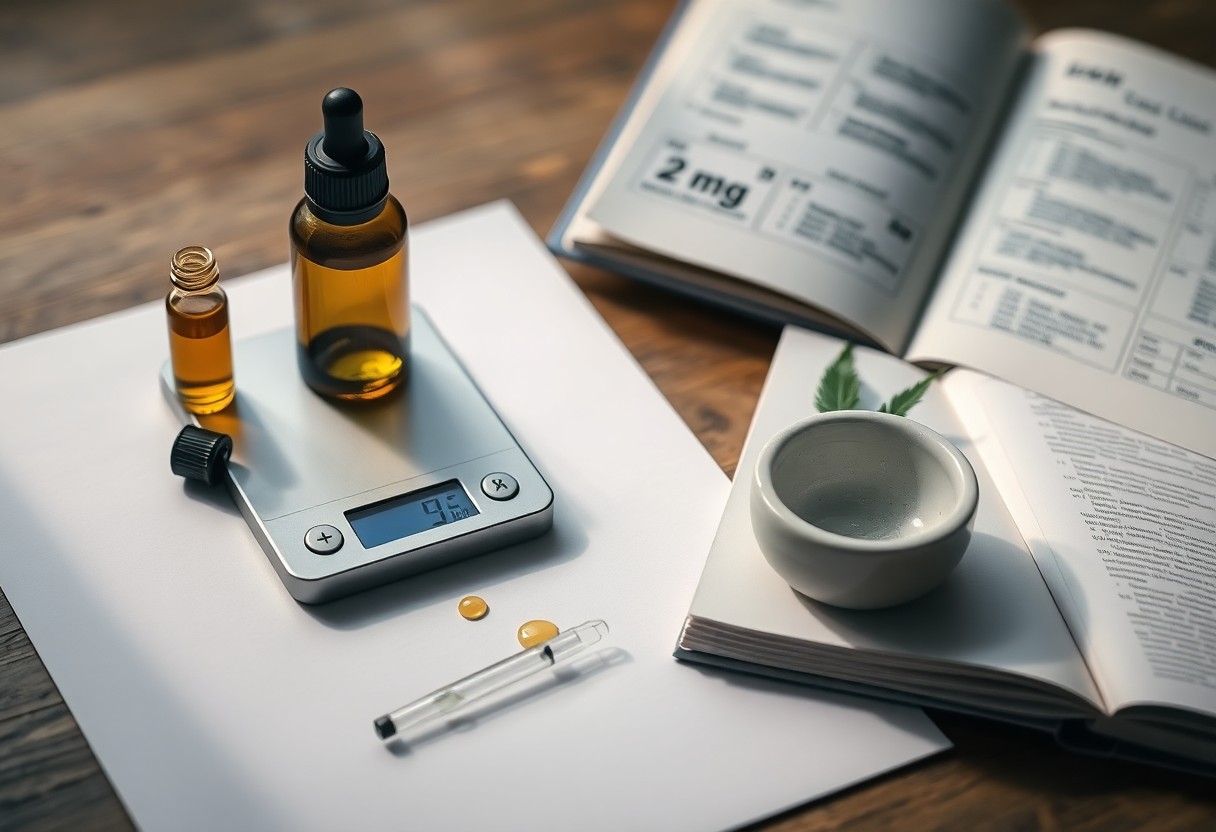
Microdosing means intentionally using minimal cannabis quantities-commonly 1-2.5 mg THC or 5-10 mg CBD-to produce targeted, sub-psychoactive effects. You prioritize precision: measured tinctures, low-dose edibles, or pre-dosed cartridges, plus journaling of symptoms, timing, and any side effects to maintain consistent, repeatable outcomes.
History and Origins
The practice migrated from psychedelic microdosing into cannabis during the 2010s as legalization expanded and low-dose formats-1-2.5 mg THC tinctures, microdose edibles, and measured inhalers-became widely available. You can link modern adoption to online self-experimentation communities, patient groups seeking symptom relief without impairment, and small-scale surveys documenting uptake among professionals and medical users.
Scientific evidence on low-dose cannabis is still limited, so you rely largely on anecdotal reports and open-label pilots rather than large randomized trials. Product inconsistency means you must use lab-tested products or risk inadvertent overconsumption and unexpected impairment; additionally, be aware of interactions with medications metabolized by CYP enzymes and the possibility of failing drug tests when using THC-containing microdoses.
The Science Behind Microdosing Cannabis
Microdosing typically targets 1-5 mg THC per dose to produce sub‑perceptual benefits by subtly modulating your endocannabinoid tone-CB1 and CB2 receptors-without full intoxication. Researchers and clinicians test protocols to optimize symptom relief while minimizing side effects; practical guides compare fixed low doses, titration, and alternate-day schedules. Start low and go slow is the working principle; see The Science of Microdosing for protocols and case examples.
How THC and CBD Work
THC is a partial agonist at CB1 receptors in the brain, producing psychoactive effects and analgesia, while CBD acts on multiple targets (5‑HT1A, TRPV1, FAAH inhibition) to buffer THC and reduce inflammation. If you pair them, small CBD amounts (often 5-25 mg) can modulate THC’s anxiety risk and broaden therapeutic effects, so dosing ratios-1:1, 1:5 THC:CBD-matter for outcomes.
Effects on the Brain and Body
At microdoses you often get subtle mood elevation, reduced pain sensitivity and improved sleep without obvious intoxication; typical microdose ranges are 1-5 mg THC. Higher doses (>10 mg THC) commonly produce anxiety, cognitive slowing and impaired driving, so you should avoid operating vehicles when dose effects are uncertain. Physiologically, expect mild heart‑rate and blood‑pressure shifts in susceptible users.
At the neural level, THC’s action on CB1 receptors in the hippocampus, prefrontal cortex and basal ganglia explains changes in memory, attention and motor control you may notice even at low doses. CBD’s modulation of anandamide and anti‑inflammatory pathways can reduce neuroinflammation and anxiety in some trials. Be aware that tolerance and dependence risk rise with daily use (often within 1-3 weeks), while intermittent microdosing preserves benefit with less downregulation.
Methods of Microdosing
You can microdose using several delivery methods that change onset, duration, and precision: THC microdoses typically fall between 1-5 mg, while CBD microdosing is often 5-20 mg. Vaporizing or smoking lets you titrate within minutes; tinctures and sublinguals give measured doses in 10-30 minutes; edibles take 1.5-3 hours to peak but last much longer; patches and topicals provide steady, localized effects. Choose based on how fast you need results and how precisely you must control your dose.
Consumption Techniques
You can use a low-temperature vaporizer (160-180°C) to take single draws and wait 10-15 minutes to assess effect, or use a tincture labeled mg/mL and measure with a 0.1 mL dropper for precision. Low-dose gummies (1-2 mg THC) are convenient but often imprecise if cut; transdermal patches release cannabinoids over 8-12 hours for steady dosing. Be aware that inhalation gives fast titration while edibles require patience to avoid overconsumption.
Dosage Guidelines
Start very low and increase gradually: many users begin with 1 mg THC or 5 mg CBD, then add 0.5-1 mg THC every 2-4 days until you reach a functional dose without impairment. For inhalation, wait 15-30 minutes before redosing; for edibles, wait at least 2-3 hours. Keep a simple log of dose, time, and effects so you can detect patterns and avoid accidental overuse.
For a practical protocol, try 1 mg THC each morning for three days; if no benefit, raise to 2 mg for the next three days, continuing until you find the minimum effective dose. Adjust for body weight, tolerance, and concurrent medications; mixing with alcohol or sedatives can increase impairment, and older adults often require lower starting doses. If you’re on prescription meds, check interactions before adjusting doses.
Potential Benefits of Microdosing Cannabis
Therapeutic Effects
Clinical and survey data indicate low, consistent doses (commonly 1-5 mg THC) can ease chronic pain, reduce anxiety symptoms, and improve sleep in some users. You may see pain scores drop modestly and sleep latency shorten; small trials and observational reports support these effects. Pay attention to interactions with antidepressants and blood thinners, and consult a clinician if you take other medications because drug interactions can occur.
Enhanced Creativity and Focus
Anecdotally, artists and professionals report sharper associative thinking and easier entry into flow at microdoses; experimental work finds low-dose cannabinoids can enhance divergent thinking without causing intoxication when kept low. You should note that benefits are dose-sensitive: exceeding recommended microdoses often flips gains into impairment, particularly for working memory and reaction time.
Practical steps improve your odds: start at 1 mg THC, track task performance across 3-5 sessions, and use a lab-verified product so the milligrams match the label. You should wait 20-45 minutes after inhalation or up to 90 minutes for edibles before judging effect; if creativity feels dulled or anxiety rises, stop or lower dose. Always avoid driving within 24 hours of dosing.
Risks and Considerations
You should weigh microdosing against clear risks: impairment that can last from 2-12 hours depending on route, potential worsening of anxiety or psychosis in predisposed people, and interactions with medications metabolized by CYP3A4/CYP2C9 (for example, warfarin). Edibles produce longer, more variable effects than inhalation, and pregnancy, adolescence, and unsafe driving are situations where even small THC amounts carry elevated risk.
Legal and Health Concerns
Law varies widely – in the U.S., more than 30 states run medical programs while recreational rules differ by state and country – so you can face criminal penalties or job consequences if local law or workplace drug policies prohibit use. Also note that THC-related impairment is linked to about a twofold increase in crash risk in some studies, and workplace drug tests can detect THC metabolites for days to weeks after use.
Individual Variability in Response
Your response depends on dose, route and biology: oral THC has ~4-12% bioavailability and peaks in 2-4 hours, inhalation gives faster onset with ~10-35% bioavailability, and common microdoses are often 1-5 mg THC. Genetics (CYP2C9), sex, age, body fat and tolerance mean one person’s calming 2 mg can be another’s anxiety trigger.
Genetic differences and concomitant CBD or medications alter THC exposure: CYP2C9 variants can change metabolism, while CBD can inhibit CYP3A4/CYP2C19, increasing effects. Practical examples include newer users who report sedation at 1-2 mg and experienced users needing 5+ mg for the same effect; edibles unpredictably amplify this because of first-pass metabolism, so you must titrate slowly and track symptoms.
Current Research and Findings
Recent clinical trials, lab studies, and large self-report surveys are converging on a mixed picture: you’ll most often see microdoses defined as 1-5 mg THC, sometimes paired with CBD, and evidence points to modest improvements in mood, pain, and perceived focus for some users. Many controlled studies use sample sizes under 100 while surveys reach thousands, so findings are heterogeneous and sensitive to product formulation, dosing precision, and individual tolerance.
Studies Supporting Microdosing
Several pilot randomized trials and controlled-lab studies (commonly n<50) report small but statistically significant reductions in anxiety and self-reported pain with low-dose THC or THC/CBD blends. You may also see improvements in subjective focus and morning alertness in observational cohorts; clinical signals tend to cluster around the 1-5 mg THC window, though placebo-controlled confirmation remains limited.
Limitations of Existing Research
Small samples, short follow-ups, and reliance on self-report skew the evidence base, and product variability-especially inaccurate labeling-creates real risks. You should note that many studies lack rigorous blinding and standardized dosing, so expectancy effects and batch-to-batch inconsistency can inflate perceived benefits while masking harms.
Pharmacokinetic variability, rapid tolerance, and untested drug interactions are major gaps: you may respond very differently to the same microdose as someone else. Long-term safety data are sparse, pregnant people and those with psychiatric histories are routinely excluded, and regulatory inconsistencies mean inaccurate potency labeling and contamination remain tangible dangers when you try microdosing outside clinical settings.
To wrap up
On the whole, microdosing cannabis means taking very small, controlled amounts to seek symptom relief or mood enhancement without intoxication; whether it works depends on your goals, biology, product consistency, dosing strategy, and legal context. Some people report reduced anxiety, pain, or improved focus with careful titration, while others see minimal benefit. If you try it, track effects, start low, adjust slowly, and consult a healthcare professional when needed.
FAQ
Q: What is microdosing cannabis and how is it done?
A: Microdosing cannabis means taking very small, controlled amounts of cannabinoids-usually THC, sometimes combined with CBD-intended to produce sub‑perceptual or minimal psychoactive effects while delivering therapeutic benefits. Typical starting ranges for THC microdoses are about 0.5-2.5 mg per dose (many people begin at 0.5-1 mg); CBD microdosing is less standardized because CBD effects are dose‑dependent and often require higher amounts. Common delivery methods are low‑dose tinctures or sublingual drops (easy to measure), pre‑measured low‑dose edibles or lozenges, capsules, and precisely dosed vaporizers. Best practice: use a product with clear mg labeling, wait sufficient time for onset (15-45 minutes for inhalation, 60-120 minutes for edibles), keep doses consistent, and keep a log of dose, time, and effects before adjusting.
Q: Does microdosing cannabis actually work-what does the evidence say?
A: Evidence is mixed. Many anecdotal reports and observational surveys describe improvements in anxiety, mood, focus, creativity, and pain with low doses of THC or THC/CBD combinations. Controlled research is limited: some small studies and lab experiments suggest low THC can reduce anxiety or enhance mood in some users, while higher doses increase anxiety; CBD has demonstrated anxiolytic and anti‑inflammatory effects in some trials but often at higher doses than typical microdoses. Placebo effects, individual variability (tolerance, metabolism, prior cannabis exposure), product consistency, and differences in THC:CBD ratios make results unpredictable. The practical takeaway is that microdosing appears helpful for many people but is not universally effective and requires careful personal experimentation and, when relevant, clinical supervision.
Q: What are potential benefits, risks, and safe‑use tips for microdosing cannabis?
A: Potential benefits include reduced situational anxiety, subtle mood elevation, improved focus or creativity for some users, and mild pain or sleep improvement. Risks include unintended psychoactive effects (impaired coordination, mild cognitive slowing), heightened anxiety or paranoia in susceptible individuals, tolerance with frequent use, and interactions with medications (especially sedatives, antidepressants, blood thinners). Safety tips: start very low (0.5-1 mg THC if naïve), use precisely labeled products, increase dose in small increments and allow sufficient time to assess effects, avoid driving or operating machinery until you know how a dose affects you, avoid combining with alcohol or sedatives, consult a healthcare provider if pregnant, breastfeeding, or taking other medications, and keep a symptom/dose log for 1-2 weeks to evaluate benefit versus side effects.