
You will feel effects at different times depending on method: smoking and vaping act within minutes, peaking in ~30-60 minutes and usually fading in 2-4 hours, while edibles can take 30-120 minutes to start, peak 2-6 hours and often last 6-12+ hours. Your dose, tolerance, and metabolism change duration; edibles pose a higher risk of intense, prolonged effects from delayed dosing, whereas inhalation gives faster control and easier titration. Avoid driving or operating machinery during impairment and adjust dose slowly.
Key Takeaways:
- Smoking (combustion): onset within minutes, peak 15-30 minutes, typical effects 2-4 hours, residual up to ~6 hours.
- Vaping: onset within minutes, peak 15-60 minutes, typical effects 2-4 hours, residual up to ~6 hours; device and temperature can shift intensity and duration.
- Edibles: onset 30-120 minutes (commonly 45-90), peak 2-4 hours, effects 6-12+ hours, with dose, metabolism, and food intake strongly affecting timing and length.
Understanding Cannabis Consumption Methods
Smoking
When you smoke, effects start within minutes, usually peaking at 15-30 minutes and fading over about 1-3 hours. Inhalation yields roughly 10-35% bioavailability, so a typical joint (often ~10-30 mg THC total) delivers a variable dose quickly, letting you titrate by puff count. Combustion produces tar and volatile toxins, so while smoking gives fast control, it also carries a higher respiratory risk than non-combustion methods.
Vaping
Vaping produces near-immediate effects similar to smoking, often with 30-50% bioavailability and onset within minutes; peak impairment usually occurs within 15-45 minutes. You can control temperature (commonly ~315-430°F / 157-221°C), which reduces combustion byproducts and can preserve terpenes, but be aware that illicit cartridges containing vitamin E acetate have been linked to severe lung injury.
Devices range from pen cartridges to desktop vaporizers and dab rigs; concentrates like distillate or live resin can be 50-90% THC, so a single dab may deliver tens of milligrams and produce intense effects. Start with one short inhalation and wait 10-15 minutes before more, since dabbing and high-temp sessions can rapidly exceed your tolerance and increase acute adverse effects.
Edibles
With edibles, you’ll often wait 30-90 minutes for onset, see peaks at 2-4 hours, and experience effects lasting 6-12+ hours. The liver converts THC to 11‑hydroxy‑THC, which is more potent and crosses into the brain efficiently, so a small oral dose can feel stronger than the same inhaled dose; for beginners, start at 5 mg THC and wait at least 2 hours before re-dosing.
Absorption varies with stomach contents and dietary fat-high‑fat meals can increase THC uptake-while individual metabolism, weight, and tolerance change intensity and duration. Commercial labels can still vary; inexperienced users who consume 50-100 mg often report severe anxiety or emergency care, so dose conservatively and avoid driving during prolonged impairment.
Duration of Effects by Method
Smoking Effects Duration
Effects begin almost immediately after you inhale, with a rapid onset within seconds to minutes, peak around 15-30 minutes, and typically taper over 1-3 hours; mild residual effects can persist up to 6 hours. Because combustion delivers variable THC, you may feel stronger or weaker hits depending on strain and inhalation technique. Be aware that driving and operating machinery remain impaired during and shortly after this window.
Vaping Effects Duration
Vaping produces effects within minutes, usually peaking by 10-30 minutes and lasting around 1-3 hours for most users, with some lingering effects up to 6 hours depending on dose and concentrate potency. You’ll notice quicker on/off control than edibles, but high-THC concentrates can produce unexpectedly intense, longer-lasting highs, so dose cautiously.
Device temperature, formulation, and inhalation technique change both intensity and length: low-temperature vapor preserves terpenes and gives a smoother, sometimes shorter peak, while high temperatures release more THC and other cannabinoids, extending effects. Bioavailability for inhaled cannabis varies widely-generally from roughly 10-60% depending on device efficiency and your inhale depth. If you combine vaping with alcohol or sedatives, expect amplified impairment and longer recovery time.
Edibles Effects Duration
Edible effects typically begin 30-90 minutes after ingestion, peak between 2-4 hours, and commonly last 6-12 hours; in some cases, you can feel after-effects up to 24 hours later. Because the liver converts THC to the more potent 11-hydroxy-THC, your experience is often stronger and more prolonged than inhalation. Delayed onset raises the risk of overconsumption, so patience matters.
Metabolism, stomach contents, dose, and tolerance drive variability: a 5-10 mg THC edible is low for many, 10-20 mg gives a substantial effect for occasional users, and doses above 50 mg can produce intense, long-lasting symptoms for most people. Wait at least two hours before redosing to avoid compounding the active 11-hydroxy-THC peak. If you have liver issues or take medications, expect altered timing and intensity and consult a healthcare provider.
Factors Influencing Duration of Effects
Several variables change how long you feel cannabis: dosage, individual tolerance, metabolism, and method of consumption all matter. Higher THC doses and full-spectrum products often produce longer, stronger effects, while faster metabolisms shorten them. Typical windows range from minutes to 12+ hours depending on those factors. This How Long Does Being High Last? [Edible vs Smoking vs …
- Dosage – mg of THC per serving
- Individual Tolerance – usage history and receptor sensitivity
- Metabolism – liver enzymes and body fat
- Method of Consumption – inhalation vs oral vs sublingual
Dosage
You should treat dosage quantitatively: 5-10 mg THC is a common micro-to-low dose, 10-30 mg is moderate, and >50 mg can cause intense, prolonged effects for many users. On average, oral doses peak at 2-4 hours and can last 6-12+ hours, while inhaled doses peak in 10-30 minutes and typically wane in 2-4 hours. Watch for overconsumption, which increases duration and adverse effects.
Individual Tolerance
Your tolerance reflects receptor downregulation from repeated use: daily users often need 2-3× the dose that occasional users require to achieve the same effect, and subjective duration can feel shorter. Genetics, age, sex, and body composition modulate that response.
In practice, you can measure tolerance by tracking the smallest dose that produces desired effects; after several weeks of daily use, CB1 receptor responsiveness drops, so you may see diminished peak intensity and faster subjective recovery. Taking planned breaks (tolerance breaks) of 1-4 weeks commonly restores sensitivity-shorter breaks help some users, while longer breaks produce larger effects at lower doses.
Method of Consumption
The method of consumption determines absorption speed and duration: inhalation delivers plasma THC within minutes with effects peaking quickly and typically lasting 2-4 hours, while edibles convert THC to 11‑OH‑THC in the liver, producing peaks at 2-4 hours and durations of 6-12+ hours. Sublingual and transdermal routes sit between those extremes.
If you require predictable timing, inhalation suits short sessions and easier dose titration; edibles are better for extended symptom control but require careful dosing because effects build slowly. For example, a 10 mg edible may keep you affected for 6-8 hours, whereas a comparable inhaled dose might be gone in 2-3 hours-so choose method based on desired onset and total duration.
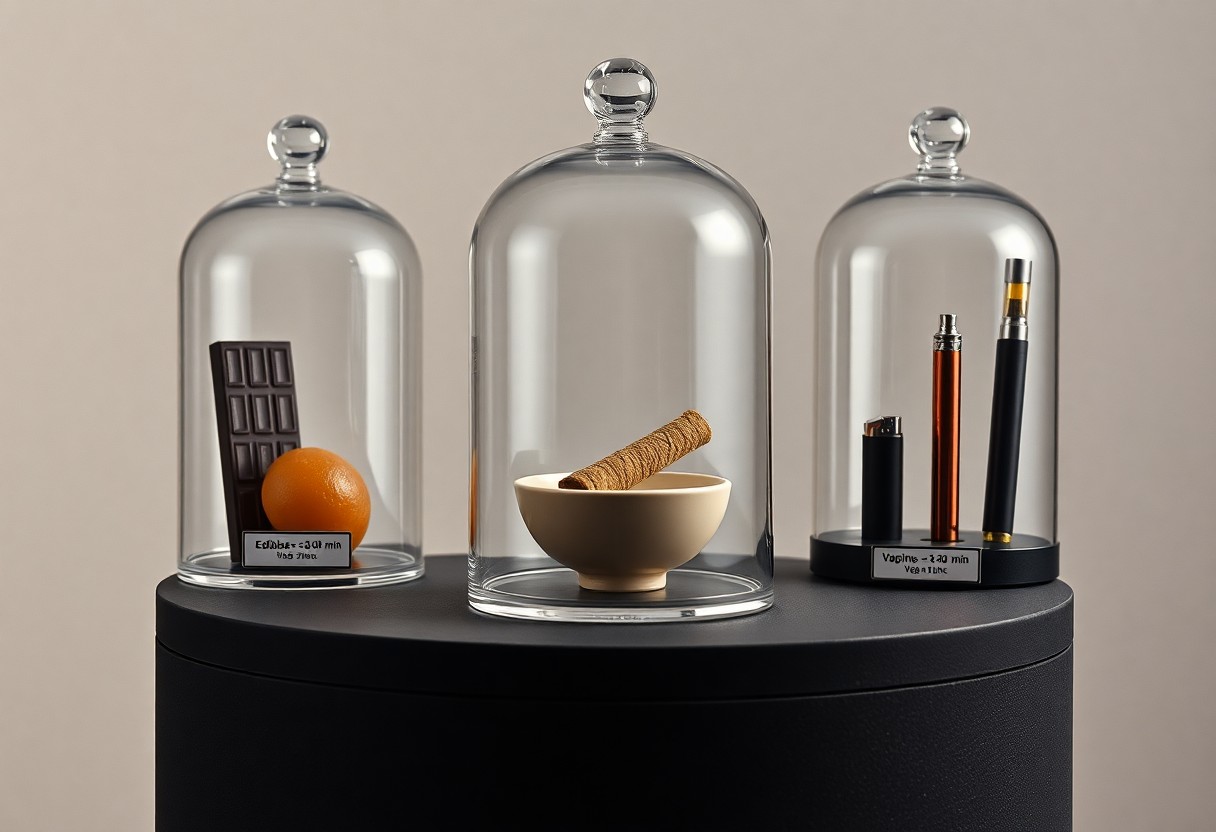
Comparing Onset Times
| Onset, Peak, and Typical Duration by Method | |
|---|---|
| Smoking | Onset 2-10 minutes; peak ~15-30 minutes; duration 1-4 hours; bioavailability ~10-35%. |
| Vaping | Onset 1-5 minutes; peak ~10-20 minutes; duration 1-3 hours; faster titration but risks with additives. |
| Edibles | Onset 30-120 minutes; peak 2-4 hours; duration 6-12+ hours; metabolized to potent 11‑hydroxy‑THC. |
Smoking and Vaping
You’ll notice effects almost immediately with smoking or vaping-typically within 1-10 minutes-peaking in the first half hour and tapering over 1-4 hours; vaping often produces a slightly faster, cleaner onset (1-5 minutes) and lets you titrate dose, while smoking yields variable bioavailability (~10-35%). Be aware of respiratory irritation and potential harms from additives in some vape products.
Edibles
Edibles usually take 30-120 minutes to begin and peak 2-4 hours later because THC converts to the more potent 11‑hydroxy‑THC during first‑pass metabolism; effects commonly last 6-12+ hours, so delayed onset raises the risk of overconsumption if you dose too soon.
Several factors shape how edibles affect you: a fatty meal can speed absorption (onset ~30-60 minutes), while an empty stomach may delay it; your weight, tolerance, liver enzyme activity (CYP2C9/CYP3A4), and product formulation (isolate vs full‑spectrum) all change timing and intensity. For example, a 10 mg THC gummy typically begins working in 45-90 minutes, peaks around 2-3 hours, and lasts 6-8 hours for many users. To reduce risk of a prolonged adverse reaction-like intense anxiety or tachycardia-start with 2.5-5 mg and wait at least 2 hours before taking more; doses above 50-100 mg often cause marked, long‑lasting impairment and should be approached cautiously.
User Experience and Preferences
Individual use patterns
If you prioritize quick relief, vaping or smoking gives onset in 1-10 minutes; many users report preferring that for controllable dosing. For example, smoking typically peaks within 15-30 minutes, while edibles take 30-90 minutes to start and peak at 2-4 hours with effects lasting up to 6-12+ hours. New users frequently find 5-10 mg edible doses produce unexpectedly strong anxiety, so you should start low and wait at least two hours before redosing.
Safety and Responsibility
Practical safety tips
Start edibles at 2.5-5 mg THC if you’re inexperienced and wait at least 2 hours before redosing; for inhalation, pause 15-30 minutes to gauge effect. Avoid driving for 6-8 hours after a strong edible or anytime you feel impaired – many jurisdictions set per‑se limits (e.g., Colorado 5 ng/mL, Canada 2-5 ng/mL). Store products in a locked container away from children and pets, never mix with alcohol or sedatives, and seek care for chest pain, severe confusion, or persistent hallucinations.
Conclusion
The duration of cannabis effects depends on method and individual factors: when you smoke or vape, effects begin within minutes and generally last 2-4 hours; edibles take 1-3 hours to onset and can persist 6-12+ hours. Your metabolism, dose, tolerance, and co-consumed substances influence intensity and length, so you should start with low doses, increase gradually, and plan activities accordingly.
FAQ
Q: How long do effects last when smoking cannabis?
A: Onset is almost immediate (seconds to a few minutes), with peak effects typically within 15-30 minutes. Acute effects generally last 2-4 hours, though mild aftereffects or impairment can persist up to 6-8 hours for some users. Duration varies with THC concentration, inhalation depth and frequency, individual tolerance, recent food or alcohol use, and CBD presence, which can modulate subjective effects.
Q: How long do effects last when vaping cannabis?
A: Vaping produces a rapid onset similar to smoking (seconds to minutes), often with a faster and sometimes stronger initial delivery depending on device and temperature. Peak effects usually occur within 15-60 minutes, and acute effects commonly last 2-6 hours. Duration depends on device type, temperature settings, product formulation (flower vs. concentrates/distillates), dose, and user tolerance; concentrates and higher temperatures can yield more intense, potentially longer effects.
Q: How long do effects last when consuming edibles?
A: Onset is delayed-commonly 30-90 minutes and sometimes up to 2 hours-because THC is absorbed through the digestive tract. Peak effects generally occur 2-4 hours after ingestion. Noticeable effects commonly last 6-12 hours; some residual sedation or cognitive slowing can persist 12-24 hours, especially after high doses. Variability is driven by dose, 11-hydroxy-THC formation in the liver (a more potent, longer-lasting metabolite), stomach contents (a fatty meal can increase and accelerate absorption), body composition, metabolic rate, and tolerance. For dosing safety, use low doses if inexperienced (e.g., 2.5-5 mg THC) and wait at least 2 hours before redosing to avoid unexpected overconsumption.