
Stigmas surrounding marijuana have long influenced the debate around its legalization. Understanding the concerns that drive opposition to marijuana legalization is crucial in navigating the complexities of this ongoing discussion. From fears about public health and safety to worries about increased youth access and drug abuse, there are multifaceted reasons why some individuals and groups continue to advocate against the widespread legalization of marijuana. Delving deeper into these concerns sheds light on the various perspectives surrounding this contentious issue.
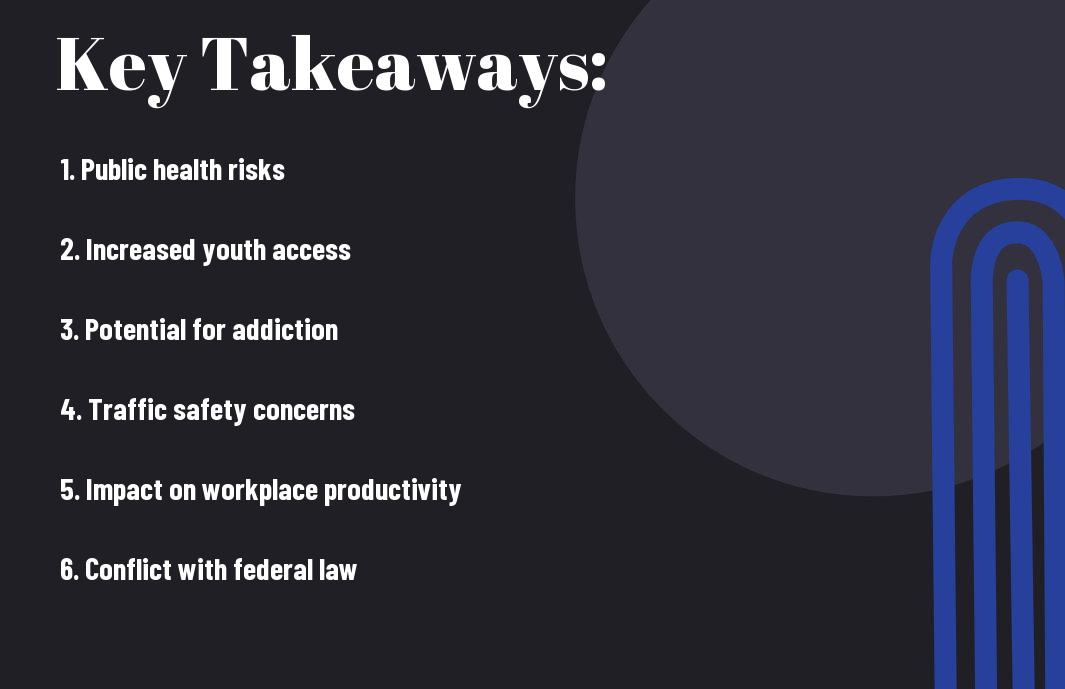
Key Takeaways:
- Public Health Risks: Concerns about the potential negative impact of marijuana use on public health drive opposition to legalization.
- Youth Access: Opponents are worried about the increased availability of marijuana to young people if it is legalized.
- Driving Under the Influence: Fears about an increase in impaired driving accidents due to marijuana consumption contribute to opposition to legalization.
- Gateway Drug Theory: Some opponents believe that marijuana can lead to the use of more dangerous drugs, fueling concerns about addiction and substance abuse.
- Workplace Productivity: Concerns about the impact of marijuana use on job performance and workplace safety are also cited as reasons for opposing legalization.
Historical Perspectives on Marijuana Prohibition
Early 20th-century views and laws
Perspectives on marijuana in the early 20th century were deeply influenced by societal norms and racial prejudices. The Marihuana Tax Act of 1937 effectively criminalized the drug, attributing it to the rise in crime and violence, without concrete evidence to support these claims.
The War on drugs era
Perspectives on marijuana took a more punitive turn during the war on drugs era in the 1970s. President Nixon declared a “war on drugs,” targeting drug users and dealers alike. This intensified the criminalization of marijuana, with harsh penalties for possession and distribution.
A focal point of this era was also the introduction of mandatory minimum sentencing laws, which disproportionately affected minority communities. The rhetoric around marijuana shifted to depict it as a gateway drug, leading to harder substances and contributing to the stigma surrounding its use.
Key Concerns of Marijuana Legalization Opponents
Public health and safety issues
An important concern for opponents of marijuana legalization is the potential impact on public health and safety. There are worries about increased rates of addiction, impaired driving, and mental health issues resulting from the widespread availability of marijuana. Critics argue that legalizing marijuana could lead to an overall decrease in public safety and an increase in health problems among the general population.
Impact on youth and educational outcomes
Legalization opponents are deeply concerned about how the availability of marijuana could impact youth and educational outcomes. Research suggests that early marijuana use can have adverse effects on brain development in young people. There are worries that legalization could lead to increased access for adolescents, potentially affecting their academic performance and overall well-being.
Opponents are particularly concerned about the potential normalization of marijuana use among young people, which could have long-term implications on educational achievement and future success. The fear is that legalization could make it easier for adolescents to obtain and use marijuana, leading to negative consequences for their health and academic outcomes.
Societal and Economic Considerations
Potential effects on crime rates and law enforcement
With the ongoing debate around marijuana legalization, one of the major concerns is its potential impact on crime rates and law enforcement. Advocates suggest that legalizing marijuana could reduce crime by eliminating the illegal market and redirecting law enforcement resources to more serious offenses. However, opponents argue that legalization could lead to an increase in crime, such as driving under the influence or black-market activities related to marijuana.
Economic implications for local and national economies
The concept of legalizing marijuana also raises discussions about its economic implications for both local and national economies. The potential for a new industry to emerge and generate tax revenue is enticing to supporters of legalization. Conversely, opponents worry about the possible negative economic impacts, such as increased healthcare costs due to marijuana-related issues or potential decreases in productivity among users.
To probe deeper into the economic implications, it’s vital to consider factors such as the creation of jobs in the cannabis industry, the potential for tourism revenue in states where marijuana is legal, and the impact on other industries like alcohol and tobacco. Understanding the complex connections between marijuana legalization and economic outcomes is crucial for making informed decisions about the future of drug policy.
Moral and Ethical Standpoints
Influence of cultural and moral values
Now, values play a significant role in shaping opposition to marijuana legalization. Many individuals have been raised with the belief that marijuana use is morally wrong or culturally unacceptable. These deeply ingrained values can create a strong resistance to any attempts to legalize the drug.
The role of religion and ethical frameworks in forming opposition
Now, Ethical considerations, often rooted in religious beliefs, can also contribute to the opposition against marijuana legalization. Many religions and ethical frameworks view drug use as sinful or morally reprehensible. These deeply held beliefs can influence individuals and communities to oppose any measures that would legalize marijuana.
Forming a strong opposition, these religious and ethical frameworks provide a moral compass for individuals to navigate complex societal issues. By invoking principles of morality and ethics, opponents of marijuana legalization often argue that the potential harms associated with drug use outweigh any potential benefits.
Political and Legal Factors
Many concerns surrounding the opposition to marijuana legalization stem from political and legal factors. The landscape of political opinions on this topic is multifaceted, with various stakeholders expressing a spectrum of viewpoints. Bipartisan viewpoints and party politics play a significant role in shaping the discourse around marijuana legalization. Any proposed legislation faces scrutiny and debate from both sides of the political aisle, making it a contentious issue to navigate. Understanding the nuances of these political dynamics is crucial in comprehending the obstacles that legalization proponents must overcome. Knowing the complexities involved can provide valuable insights into the challenges ahead. For further reading on this topic, you can check out this Marijuana Legalization Will Cause Many Problems for ….
Bipartisan viewpoints and party politics
Any proposed legislation regarding marijuana legalization faces scrutiny and debate from both sides of the political aisle. Divergent viewpoints within political parties and varying support levels for legalization further complicate the issue. Finding common ground amidst these differences becomes difficult, as party politics often dictates the positions taken on such divisive topics.
Legal complexities and state vs. federal laws
State and federal laws regarding marijuana legalization present another layer of complexity to the debate. States have increasingly taken matters into their own hands by legalizing marijuana for medicinal or recreational use, despite federal regulations that classify it as a Schedule I controlled substance. The conflict between state and federal laws creates legal uncertainties and challenges for businesses and individuals operating in the cannabis industry.
Another aspect to consider is the lack of uniformity in regulations across states, leading to discrepancies in enforcement and compliance. Navigating this legal landscape requires a nuanced understanding of the interplay between state laws and federal regulations, as well as the potential risks and implications for stakeholders involved in the marijuana industry.
Comparative Analysis
Unlike Why Americans Support or Oppose Legalizing Marijuana, concerns driving opposition to marijuana legalization vary globally. Here is a comparative analysis breakdown.
| Concerns in the US | Concerns in Other Countries |
| Impact on public health | International treaties and conventions |
| Issues of drug abuse and addiction | Cultural and historical attitudes towards drug use |
| Effects on youth and underage access | Impact on global drug trafficking |
Marijuana legalization in other countries
One interesting aspect of marijuana legalization is how it has been implemented in other countries. Each nation has its own unique approach based on cultural, social, and economic factors, offering valuable insights for policymakers.
Lessons learned and impact on US policies
Other countries’ prior experiences with marijuana legalization provide necessary lessons for the US. These insights can shape policies and regulations, helping to address various challenges that may arise while ensuring a balanced and effective approach to marijuana legalization.
Marijuana legalization has sparked diverse debates globally, influencing policies and public opinions. By examining international experiences, the US can draw valuable lessons to shape effective strategies and regulations for marijuana legalization.
Conclusion
The concerns that drive opposition to marijuana legalization vary and can include fears about public health and safety, potential increases in drug use among youth, and uncertainty regarding the long-term effects of marijuana consumption. It is crucial for policymakers and advocates on both sides of the debate to consider these concerns and work towards finding common ground to address them effectively. Through evidence-based research and open dialogue, a balanced approach to marijuana legalization can be achieved that prioritizes public health and safety while also respecting individual freedoms and rights.
FAQ
Q: What concerns drive opposition to marijuana legalization?
A: The concerns driving opposition to marijuana legalization often revolve around public health and safety. Critics worry about the potential increase in drug abuse, impaired driving, and negative effects on mental health that could result from easier access to marijuana.
Q: How does marijuana legalization impact youth and adolescent usage?
A: One of the main concerns regarding marijuana legalization is its potential impact on youth and adolescent usage. Opponents fear that legalizing marijuana could lead to increased accessibility and normalization of the drug among young people, potentially leading to higher rates of substance abuse and cognitive impairment.
Q: What are the economic concerns associated with marijuana legalization?
A: Opponents of marijuana legalization often raise economic concerns, such as potential costs associated with increased drug addiction treatment, law enforcement, and regulatory measures. There are also worries about the impact on productivity in the workforce and the potential for marijuana legalization to create a new industry that prioritizes profit over public health.