
This concise guide explains how Sativa, Indica and Hybrid strains differ, their typical effects and uses, and how you can pick the right strain for your needs. Sativas often boost energy and focus while Indicas favor deep relaxation; Hybrids blend traits-consider your desired outcome, tolerance, and cannabinoid ratio. Watch for high-THC risks like anxiety and impaired coordination and seek strains for pain relief, improved mood, or daytime focus as appropriate.
Key Takeaways:
- Basic effects: Sativa-energizing and cerebral (daytime); Indica-relaxing and body-focused (evening); Hybrid-combines traits; modern genetics and cultivation often blur these labels.
- How to pick: match desired effects, review lab-tested THC/CBD ratios and terpene profiles (e.g., limonene for uplift, myrcene for sedation), and start with a low dose to assess response.
- Other factors matter: consumption method, onset/duration, personal tolerance, potential interactions, and buying from reputable, lab-tested sources for consistency and safety.
Understanding Cannabis Strains
You’ll find strains differ by genetics, chemistry and cultivation: landrace sativas like Durban Poison favor cerebral effects, Afghan indicas yield heavier body highs, and modern hybrids-often 50/50-target symptoms like pain or insomnia. Lab-tested flower shows THC from 5-30%+ and terpene profiles that drive experience; growers select for traits such as flowering time, cannabinoid ratio, and terpene dominance to tune effects for medical or recreational use.
What are Sativa, Indica, and Hybrid?
You should expect sativas (taller plants, 10-16 week flowering) to deliver energizing, cerebral effects; indicas (shorter, 6-9 week flowering) tend toward relaxing, body-focused relief; hybrids blend traits so you can target anxiety, focus, or sleep. Examples: Durban Poison (sativa), Northern Lights (indica), and Blue Dream (balanced hybrid) show how breeding and phenotype shape outcomes.
Difference in Chemical Composition
You can trace differences to cannabinoids and terpenes: THC concentration drives psychoactivity while CBD modulates it. Typical recreational THC ranges from 10-25%, CBD often 0-2% unless specially bred. Terpenes like myrcene, limonene, pinene, and caryophyllene appear at 0.1-3% by weight and markedly influence sedation, uplift, or inflammation pathways-so the chemical profile predicts effect more than a “sativa” or “indica” label.
You also need to read lab data: total terpenes typically sit between 0.5-2%, with myrcene >0.5% often linked to sedative “couch-lock” while pinene can promote alertness and partially counter THC-related short-term memory effects. Caryophyllene binds CB2 and provides anti-inflammatory benefit. If you’re sensitive, note that very high THC (25%+) can provoke anxiety or tachycardia; check the COA and start with low doses to manage risk.
Effects of Sativa, Indica, and Hybrid
Sativa-dominant strains typically produce energizing, cerebral effects-you may feel lifted, talkative, and creative; indicas lean toward body relaxation and sedation, easing muscle tension and sleep. Hybrids combine traits and are often bred to target specific outcomes. Expect inhalation onset in 2-10 minutes and edible onset in 60-180 minutes. Sativa strains commonly test around 15-25% THC, indicas 10-20%, while CBD content varies widely.
Physical Effects
You’ll notice indicas more often deliver muscle relaxation, reduced spasticity, appetite stimulation, and sleepiness, while sativas can raise heart rate and energy. Common side effects include dry mouth, red eyes, and impaired coordination-do not drive for at least several hours after use. Analgesic responses are variable; some clinical reports show pain reduction of ~20-30% in chronic pain populations when THC/CBD combinations are used.
Mental Effects
Sativas usually heighten focus, creativity, and sociability, but higher THC levels (>20%) can trigger anxiety or paranoia in susceptible users; hybrids may balance these outcomes. Low oral doses (5-10 mg THC) often produce mild stimulation, whereas doses above 20 mg more commonly impair working memory and increase intoxication. Your tolerance, setting, and strain terpene profile (limonene, myrcene, linalool) shape the mental experience.
At the neurochemical level, THC acts on CB1 receptors affecting the amygdala and prefrontal cortex, altering emotion and risk perception, while CBD can attenuate THC-induced anxiety-ratios near 1:1 often reduce adverse effects. Clinical studies using 300-600 mg CBD showed anxiety reduction in public-speaking models; still, frequent use before age 25 is linked to long-term cognitive changes, so you should use lower doses and monitor effects.
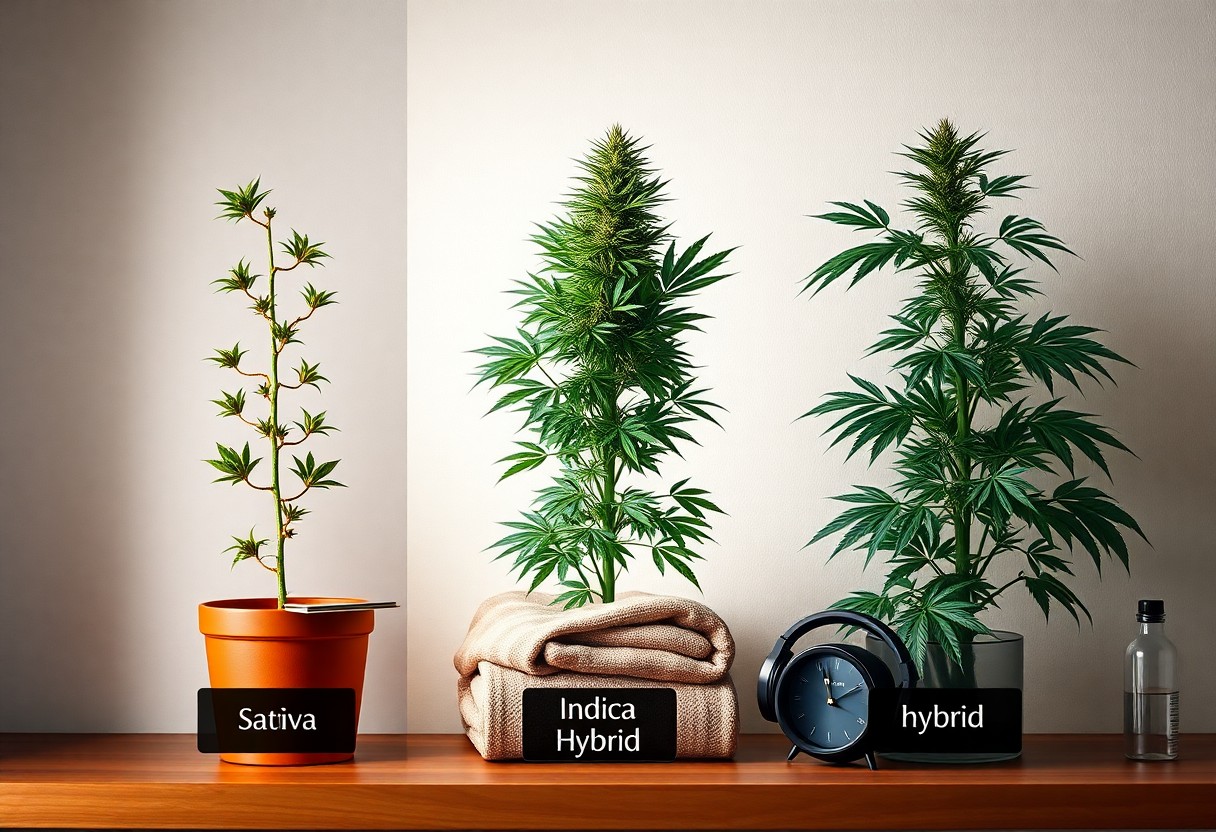
Uses for Different Strains
Match strains to goals: sativa-dominant varieties often boost energy and focus, indicas lean toward body relaxation and sleep, and hybrids bridge both. Clinical reviews such as the 2017 National Academies report found evidence for cannabis in chronic pain and chemotherapy nausea, so you should assess THC/CBD ratios and terpene profiles when choosing. See a focused comparison at Sativa vs. Indica vs. Hybrid. Use low-THC or test dosing if you have anxiety or must drive.
Medical Applications
For pain control, spasticity, and nausea you should prefer specific cannabinoid balances: the 2017 National Academies review cites substantial evidence for chronic pain, chemo-induced vomiting, and MS spasticity. In epilepsy, CBD-based treatments (e.g., Epidiolex trials) show seizure reduction, so high-CBD formulations or measured THC:CBD ratios (often 20:1 to 1:1) matter. Watch drug interactions-cannabis can affect CYP450-metabolized medications-and consult your clinician about dosing.
Recreational Uses
Choose based on setting and tolerance: sativas (commonly 15-25% THC in many dispensary listings) suit social or creative activities, indicas (often 10-20% THC) favor evening relaxation and sleep, and hybrids let you fine-tune effects. Look at terpene notes-limonene for uplift, myrcene for sedation-and pay attention to CBD content if you want to blunt intoxication. Avoid high-THC products if you’re prone to anxiety or novice users.
Start low and titrate: beginners typically begin with 2.5-5 mg oral THC or one to two small inhalations, waiting 15-30 minutes for inhaled effects and up to 2 hours for edibles. If you want creativity, prioritize sativa-leaning strains with limonene or pinene; for deep rest, pick myrcene-rich indicas. Track potency and frequency to limit tolerance and note that impaired driving and acute anxiety are real risks.
How to Choose the Right Strain
Factors to Consider
You should weigh your symptom, tolerance, and environment: compare THC/CBD ratios, dominant terpenes, and onset/duration-e.g., 18-22% THC sativas for daytime focus, 1:1 CBD:THC hybrids for pain. Always use lab-tested flower to confirm pesticide-free status and accurate potency.
- THC
- CBD
- Terpenes
Knowing your goals and tolerance minimizes adverse effects and improves therapeutic match.
Tips for First-time Users
You should start low and go slow: try 2.5-5 mg THC or 5-10 mg CBD, wait 90-120 minutes for edibles, expect inhalation effects in 2-10 minutes. Use a familiar, calm setting and avoid mixing with alcohol or sedatives; high-THC can trigger anxiety in sensitive users.
- Microdose
- Onset time
- Set & setting
Perceiving incremental effects reduces the risk of overconsumption and unpleasant panic or nausea.
You can choose product types based on control and timing: vape cartridges give fast, potent delivery; tinctures (1:1) let you titrate by drops; edibles need low starting doses and long waits-start with one-quarter of a typical 10 mg edible. Track dose, time, and effects for 3-5 sessions and avoid driving for at least 8 hours after strong dosing.
- Vape vs edible
- Tincture
- Journal doses
Perceiving early physiological cues like increased heart rate or dizziness helps you stop before escalation.
Personalizing Your Cannabis Experience
Individual Preferences
Weigh your goals-energy, sleep, pain relief-and match strains accordingly: sativa-dominant varieties like Blue Dream often boost focus, while indica-leaning strains such as Granddaddy Purple promote relaxation. You’ll notice products list THC percentages (often 10-25%) and CBD ratios; use those figures to pick potency. Track method, dose, time of day and effects in a simple log for 5-10 sessions to reveal what truly works for your body and routine.
Experimentation and Adjustment
Start small and isolate variables: for edibles begin with 2.5-5 mg THC and wait 2 hours before increasing; with inhalation take a single inhale and pause 10-15 minutes to assess. You should avoid mixing with alcohol and never drive while impaired because those actions significantly raise risk. Adjust ratios (e.g., 1:1 CBD:THC vs. high-CBD) based on whether you want reduced anxiety or stronger psychoactive effects.
Make a testing plan: change only one factor per trial (strain, dose, or method), rate effects on a 1-10 scale, and allow 48-72 hours between tests to clear influences. Increase edibles in 2.5 mg steps, log subjective effects and side effects, and prioritize lab-tested products with clear cannabinoid data. After 5-8 controlled trials you’ll have actionable data to personalize a safer, more effective routine.
Common Myths and Misconceptions
Demystifying Sativa and Indica
When you see “sativa” or “indica,” don’t assume consistent effects; morphology and origin are less predictive than chemical profile. Modern breeding has blurred landrace lines and most available plants are hybrids. Labs show that THC/CBD ratios and terpene percentages (often 0.2-3% by weight) explain stimulation versus sedation better than labels. If you want energy or relaxation, check cannabinoid numbers and terpenes like limonene or myrcene, since high THC can increase anxiety in some people.
Hybrid Strain Misunderstandings
Hybrid tags like “50/50” or “sativa-dominant” are often shorthand, not lab results, so you should treat them cautiously. Many consumers chase names-Blue Dream or OG Kush-yet effects depend on lab metrics: THC percent, CBD percent, and dominant terpenes. Dispensary shelves may list dozens of hybrids but phenotype and chemotype vary between harvests, so always request recent lab certificates to predict effects reliably.
For deeper clarity, you should read COAs showing THC (e.g., 18-25%), CBD (<1-5%), and terpene profiles-common terpenes: limonene, myrcene, linalool-reported as 0.3-2.5% each; these numbers alter outcomes: a hybrid with 22% THC and 1% limonene often feels uplifting, while one with 20% THC and 1.5% myrcene leans sedating. Also consider cultivation factors-light, nutrients, curing-which can shift terpene levels and your experience.
Final Words
Ultimately you should choose between sativa, indica, and hybrid based on the effects you seek, your tolerance, and the setting: sativas often energize, indicas tend to relax, and hybrids blend traits. Check cannabinoid and terpene profiles, start low and go slow, and ask knowledgeable providers so your strain matches your goals safely and predictably.
FAQ
Q: What are the typical effects of Sativa, Indica, and Hybrid strains?
A: Sativa strains are commonly associated with uplifting, energizing, and cerebral effects-often described as promoting creativity, focus, and sociability. Indica strains tend to produce body-centered effects such as relaxation, muscle ease, sedation, and appetite stimulation, which can help with sleep and physical discomfort. Hybrids combine characteristics of both parent types; their effects depend on the dominant genetics and chemical profile, so a hybrid can be more invigorating, more relaxing, or balanced. Individual response varies with dose, tolerance, and the strain’s cannabinoid and terpene content rather than the name alone.
Q: What are the common medical and recreational uses for each type?
A: Sativas are often used recreationally for daytime activities, social situations, and creative tasks; medically they may help with depression, fatigue, and mood disorders due to their stimulating profile. Indicas are commonly chosen for evening or nighttime use, pain relief, insomnia, anxiety reduction, and muscle spasms because of their calming and sedative properties. Hybrids are selected when a patient or consumer needs a tailored balance-pain relief without excessive sedation, or mood elevation with manageable bodily relaxation-making them useful for a wide range of conditions depending on the dominant traits of the strain.
Q: How do I pick the right strain for my needs?
A: Start by defining your goal (energy and focus, pain relief, sleep, anxiety management, etc.), then check lab-tested cannabinoid ratios (THC, CBD) and terpene profiles-myrcene leans toward sedation, limonene toward uplift, pinene toward alertness, linalool toward calm. Consider dose, tolerance, time of day, and method of use; for new or sensitive users choose lower THC, higher CBD, or small doses and increase gradually. Use reputable dispensary guidance and lab results, keep notes on how strains affect you, and prefer specific chemovars over broad Sativa/Indica labels when possible.