
Medical Marijuana Benefits: What Doctors Won’t Tell You (2025 Guide)
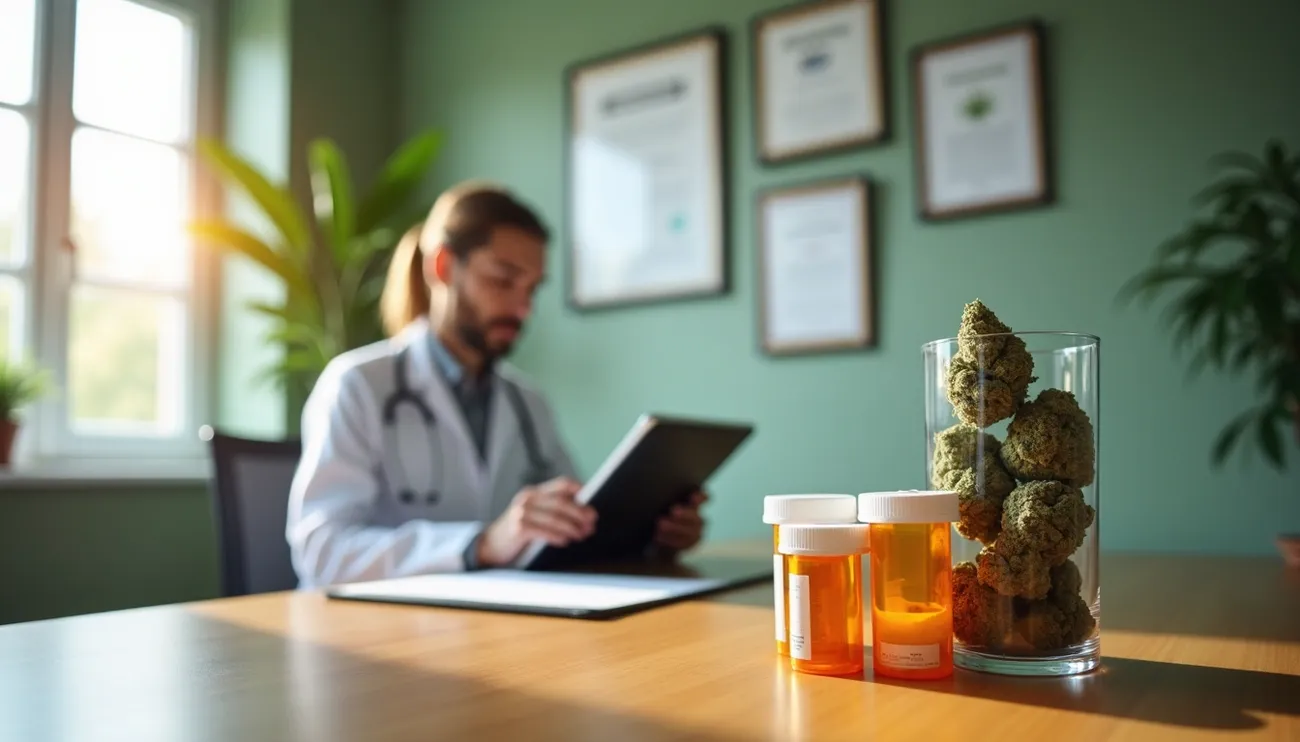
Medical marijuana’s benefits go way beyond what you might first think. Your body responds to more than 120 different components called cannabinoids in cannabis, each with its own unique effects. The legal landscape has shifted significantly – medical marijuana products are now legal in 38 states, three territories, and the District of Columbia as of 2023, despite federal restrictions.
Research repeatedly shows how well medical cannabis works as a treatment option for many conditions. Studies at the Rockefeller Institute of Medical Research prove that CBD reduces inflammation and neuropathic pain. Cannabis matches opioids in pain management effectiveness but patients are less likely to stop using it as treatment. Medical marijuana helps people with anxiety disorders, seizures, and supports addiction recovery too. States where medical marijuana is legal write 1,826 fewer daily doses of painkillers each year compared to states keeping it illegal.
This piece will show you medical marijuana’s benefits that doctors might not tell you about – from cutting back on opioid use to making life better for terminally ill patients. You’ll learn what science confirms about medical marijuana’s health benefits and what questions still need answers as we look at marijuana’s pros and cons in 2025.
Why patients are turning to medical marijuana in 2025
Medical treatment options have changed dramatically. Millions of patients now look for alternatives to conventional pharmaceuticals. By 2025, medical marijuana has become a compelling choice for people who struggle with chronic conditions.
Growing dissatisfaction with traditional treatments
Patients feel increasingly frustrated with mainstream medications because of their side effects and limited effectiveness for certain conditions. People who take prescription medications—especially for chronic pain—report several troubling drawbacks:
-
Risk of addiction, especially with opioids and benzodiazepines
-
Major side effects including fatigue, nausea, and weight changes
-
Lower quality of life even with regular medication use
This frustration has pushed many people to learn about medical marijuana benefits as an alternative. To cite an instance, research on medical cannabis users showed that 65.8% used cannabis instead of prescription drugs. These patients said they made the switch because of fewer adverse side effects (65%) and better symptom management (57.4%).
To name just one example, see chronic pain patients who found that there was relief with cannabis to reduce their dependence on potentially dangerous medications. A patient explained that using cannabis with prescribed Vicodin made pain relief last longer while cutting down overall Vicodin use. Such experiences show why patients now see medical marijuana as a viable treatment option.
Increased legalization and accessibility
Medical marijuana is now legal in forty states, three territories, and the District of Columbia as of June 2025. This broad acceptance shows a remarkable change from 1996 when California first passed medical cannabis legislation.
Medical cannabis has become easier to access. States with medical cannabis programs have patient registries that protect against arrest for possession up to certain amounts for personal medicinal use. The Department of Justice wants to move marijuana from Schedule I to Schedule III of the Controlled Substances Act, recognizing its medical uses and lower abuse potential.
The Food and Drug Administration hasn’t approved cannabis for general medical use. All the same, it has approved specific cannabinoid compounds for certain conditions. The expanding legalization framework gives patients unprecedented access to cannabis-based treatments.
Changing public and medical opinions
Public support for medical marijuana has grown dramatically. Almost 90% of Americans now back medical cannabis. This shows a major rise in acceptance, with support doubling since 2000.
Medical professionals have also started changing their views, though more carefully. Doctors know they need more education on this topic. A medical department survey revealed that residents were more likely than faculty to identify patients who might benefit from medical cannabis (39% vs 11%). While most faculty (56%) said they wouldn’t certify patients for medical cannabis, only 33% of residents felt this way.
People’s view of cannabis has changed completely. Since 2002, adults seeing great risk in cannabis use dropped from 50.4% to 33.3%, while those seeing no risk rose from 5.6% to 15.1%. These trends clearly show why patients in 2025 increasingly see medical marijuana as an acceptable—and sometimes better—treatment option.
8 real-world benefits of medical marijuana you might not hear from your doctor
Medical cannabis has benefits that go beyond what your doctor might mention during regular visits. Here’s what patients actually experience:
1. Reducing opioid dependency
States with medical marijuana programs saw opioid prescriptions drop by 2.21 million daily doses yearly after starting these programs. This number jumped to 3.74 million fewer daily doses per year once dispensaries opened their doors. A newer study of 8,165 patients on long-term opioid therapy showed that people who used medical cannabis over time cut their opioid use by 48-51%, no matter how much they took before.
2. Calming neurological disorders like Parkinson’s and Tourette’s
Medical cannabis helps Parkinson’s patients with their anxiety, pain, sleep problems, and nausea. Most doctors say that 80% of their Parkinson’s patients have tried cannabis. People with Tourette syndrome saw their total tic scores drop by 8.9 points with THC:CBD treatment, while placebo only helped by 2.5 points. These benefits went beyond tics and helped with anxiety and obsessive-compulsive symptoms too.
3. Enhancing appetite in HIV/AIDS and cancer patients
Your body’s CB1 receptors react to THC by boosting appetite – what many know as “the munchies”. This effect works so well that the FDA approved synthetic THC (dronabinol) to treat appetite loss in AIDS patients. Cancer patients dealing with anorexia said food “tasted better” and they felt hungrier before meals when taking THC compared to placebo.
4. Easing chemotherapy-induced nausea
Patients who add cannabis extract to their regular anti-nausea medications get better relief. A clinical trial showed that 24% of patients using both cannabis and standard anti-nausea drugs had no vomiting or need for extra medicine, compared to just 8% using standard drugs alone. Patient scores for quality of life related to nausea were also much higher with cannabis (67 versus 48).
5. Managing chronic inflammation and arthritis
CBD fights inflammation by lowering reactive oxygen species and blocking compounds like TNFα and various interleukins that cause inflammation. People with rheumatic diseases reported their pain levels dropped from 8.2 to 5.6 on standard pain scales after using cannabis. CBD applied to the skin helps reduce joint swelling and inflammation markers without affecting the rest of the body.
6. Supporting mental health: anxiety, depression, PTSD
People who used medical cannabis for anxiety or depression felt better within three months. Taking 10-15 mg of oral THC or at least 3 puffs of vaporized cannabis works best to reduce these conditions. Cannabis might help PTSD patients have fewer nightmares by changing their REM sleep patterns.
7. Improving quality of life in terminal illnesses
THC:CBD extracts help with pain even when strong opioids don’t work for advanced cancer patients. Cannabis tackles multiple problems at once – from pain and nausea to trouble sleeping. Patients in palliative care sleep better and often need fewer sleep medications.
8. Helping with sleep disorders and restlessness
About 71% of patients say they sleep better with medical cannabis. Many patients (39%) cut back or stopped using prescription sleep medications after starting cannabis therapy. A randomized trial showed that 60% of people no longer had clinical insomnia after just two weeks of using medicinal cannabis oil.
What science confirms and what’s still unclear
Medical experts still debate marijuana’s healing powers. We have a long way to go, but we can build on this progress as research reveals both clear wins and knowledge gaps.
Conditions with strong evidence of benefit
Research backs cannabis most strongly for managing chronic pain. Many systematic reviews confirm its power to reduce different types of pain. Patients with multiple sclerosis see real improvements in muscle stiffness and central pain when they use standardized cannabis extracts. Cannabis-based treatments also work well against chemotherapy-induced nausea and vomiting—a fact that even traditional medical institutions accept.
CBD-dominant preparations show compelling evidence for epilepsy treatment. The FDA-approved drug Epidiolex (purified CBD) delivers remarkable results. It cuts seizure frequency in hard-to-treat forms like Dravet syndrome and Lennox-Gastaut syndrome.
Areas where more research is needed
Early results look promising, yet several potential uses need deeper study. Neurodegenerative disorders like Alzheimer’s and Parkinson’s respond well to cannabinoids in animal tests and small human trials. Large-scale clinical studies remain rare.
Mental health applications tell a mixed story. Many patients report better anxiety, depression, and PTSD symptoms. Yet strict clinical trials give inconsistent results. This gap between real-world success and formal research shows we need better study designs.
Autoimmune conditions, inflammatory bowel diseases, and migraine prevention tell a similar tale. Success stories abound, but scientific proof lags behind.
Why studies are limited and slow
Research faces real roadblocks beyond scientific interest. Marijuana’s federal status as a Schedule I substance creates paperwork nightmares for researchers. This label, showing “no accepted medical use,” clashes with mounting evidence of its healing benefits.
Standardization creates another challenge. Unlike precise pharmaceutical doses, cannabis contains varying levels of over 100 cannabinoids. These levels change based on strain, growing conditions, and processing methods. Such variations make it hard to create consistent research protocols.
Money remains tight despite growing interest. Government agencies hesitate to fund cannabis studies at levels matching pharmaceutical research. Industry-funded studies raise bias concerns.
Ethics around placebo-controlled trials pose unique challenges. Many potential subjects already get medical marijuana through state programs. This access creates selection bias that weakens traditional research methods.
Understanding the risks: what to watch out for
Medical marijuana has many benefits, but you need to know about its drawbacks to use it safely. Patients should get complete information about the risks before they start treatment.
Potential side effects and interactions
Medical cannabis can cause unwanted effects. Common reactions include disorientation, anxiety, headaches, dry mouth, dizziness, drowsiness, fatigue, and breathing issues like coughing or wheezing. Cannabis interacts with 401 different medications, and 28 of these interactions are serious enough that you should avoid them completely.
The risks become serious when you mix cannabis with certain medications. Blood thinners combined with marijuana can increase your chance of bleeding. Taking it with CNS depressants could make you too sedated. Some medications that block liver enzymes (CYP3A4 and CYP2C9) can double THC levels in your blood, which makes both good and bad effects stronger. You should talk to your doctor about all your medications before starting cannabis treatment.
Mental health risks in vulnerable individuals
Cannabis affects everyone differently. One in 10 adults who use it develop cannabis use disorder. This number is much higher in teenagers, who are four to seven times more likely than adults to become dependent.
Some people face higher risks than others. Regular use can increase your chances of developing psychosis or schizophrenia, especially if you start young and use it often. People with mental illness in their family history or existing psychological conditions need to be extra careful. Cannabis might trigger or make their symptoms worse.
Risks during pregnancy and adolescence
Cannabis use while pregnant creates serious risks. THC passes through the placenta and enters the baby’s brain through the mother’s blood. Research shows that babies exposed to cannabis before birth often weigh less, arrive early, and might have developmental problems.
Teenagers face special risks because cannabis affects their developing brains. Young users show changes in brain areas that control attention, memory, decision-making, and motivation. Regular use during teen years leads to worse grades, more missed school days, and surprisingly, higher rates of anxiety and depression. The most concerning finding shows that teenagers who frequently use cannabis are 130% more likely to misuse opioids later.
Getting started with medical marijuana treatment
Starting your medical marijuana trip needs you to understand essential processes and make smart decisions. You can legally access cannabis treatments that match your needs by following several clear steps.
How to qualify and get a medical marijuana card
Each state has different qualifying rules for medical marijuana. Pennsylvania requires patients to have one of 24 qualifying serious medical conditions including Parkinson’s disease, PTSD, chronic pain, and terminal illness. You need to be a state resident with valid identification to get a Pennsylvania medical marijuana card and receive certification from a registered physician. The process continues when you register with the state program and pay the card fee. The fee is typically $50, and qualifying assistance program participants can get fee waivers. Your card arrives by mail.
Texas takes a different approach with its Compassionate Use Program for residents with conditions like epilepsy, multiple sclerosis, cancer, and PTSD. The program allows only low-THC cannabis that contains no more than 10 milligrams of THC per dosage unit.
Choosing the right strain and method
Your desired effects and medical needs determine which cannabis varieties work best. Each person responds differently to cannabis. Here’s what you should do before choosing a strain:
-
Research which strains address your specific condition
-
Think about the cannabinoid ratio and terpene profile
-
Review lab testing results for safety and potency
State regulations might require or suggest non-smokable forms like topical balms, tinctures, gummies, and beverages.
Working with a healthcare provider
Working with medical professionals is a vital part of your treatment. Your doctor can suggest specific strains based on your condition. They help monitor potential drug interactions since cannabis interacts with many medications.
Your healthcare provider needs to know about your cannabis use, especially when you take other medications. Many state programs require physicians to register with special systems that let them legally prescribe cannabis and track patient progress.
Conclusion
Medical marijuana in 2025 bridges the gap between traditional medicine and alternative therapy. It brings hope to patients who need relief from various conditions. This piece shows how cannabis helps with pain management, reduces opioid dependency, calms neurological disorders, and improves life quality for terminally ill patients.
More people now accept medical cannabis because it works for many patients. We have seen a fundamental change in public opinion, and legalization has made these treatments more available than ever. The FDA hasn’t broadly approved cannabis for medical use yet. However, they have recognized specific cannabinoid compounds to treat certain conditions.
Scientists keep finding strong evidence that supports using cannabis for chronic pain, multiple sclerosis symptoms, chemotherapy-induced nausea, and certain forms of epilepsy. We have a long way to go, but we can build on this progress to understand its potential for neurodegenerative disorders, mental health applications, and autoimmune conditions. Regulatory hurdles, standardization challenges, and funding limitations have slowed this progress.
You should carefully weigh the benefits against potential risks before trying medical marijuana. The side effects range from mild discomfort to serious drug interactions. It also poses higher risks for vulnerable people, especially adolescents and pregnant women.
The path to medical cannabis treatment starts with qualifying for a state program. You’ll need to get physician certification, register with your state, and receive your card. Your healthcare provider plays a crucial role. They help you pick the right strains and consumption methods while tracking your progress.
Research advances and regulations evolve rapidly in the medical marijuana field. This guide helps you make informed decisions about adding medical marijuana to your healthcare plan, whether it’s for yourself or someone you care about.