
Most people underestimate how storage affects quality; to keep your flower fresh and potent you must control humidity, limit light and air exposure, and use cool, airtight containers so potency and aroma stay intact while reducing the risk of mold. Follow simple steps for jars, humidity packs, and dark storage to preserve cannabinoids and terpenes for longer use.
Many people underestimate how storage affects your product; you must control temperature, humidity and light to keep it fresh and potent. Store in airtight, opaque containers away from heat, and monitor relative humidity to prevent mold growth-excess moisture and oxygen degrade cannabinoids and terpenes. Use humidity packs and avoid plastic bags for long-term storage so you preserve aroma and strength while minimizing safety risks.
Key Takeaways:
- Store in airtight glass jars (mason) in a cool, dark, dry place; avoid plastic, direct light, heat, and excess oxygen to preserve cannabinoids and terpenes.
- Maintain relative humidity around 58-63% with a hygrometer and humidity packs (e.g., Boveda) to prevent mold or over-drying.
- Handle buds minimally with clean tools and avoid refrigerating or freezing cured flower, which can damage trichomes; open jars infrequently for long-term storage.
Key Takeaways:
- Store cannabis in airtight, opaque containers at cool, stable temperatures to preserve cannabinoids and terpenes.
- Maintain proper humidity (around 58-62% RH) and avoid light, heat, and frequent air exposure to prevent mold and terpene loss.
- Keep strains and concentrates separate and avoid long-term storage in plastic; use glass jars and humidity packs for best flavor and potency retention.
Understanding the Factors Affecting Cannabis Freshness
You must control humidity, temperature, and light exposure to preserve freshness and potency, since each affects terpenes, cannabinoids, and mold risk; small changes-like RH shifts of 5-10% or temps above 25°C (77°F)-accelerate degradation. The interplay of these variables dictates storage choices and long‑term quality.
- Humidity: ideal RH ranges and mold prevention
- Temperature: optimal °C/°F and terpene retention
- Light exposure: UV/visible light effects and opaque storage
Humidity Levels
You should target roughly 55-62% RH for cured flower to keep trichomes pliable and slow mold growth; lower RH (<45%) dries buds, making them harsh, while higher RH (>65%) raises mold risk quickly. Use calibrated hygrometers and 62% Boveda or silica packs to stabilize RH during storage.
Temperature Control
Keep your stash cool-ideally between 15-21°C (60-70°F)-because temps above ~25°C (77°F) speed volatile loss and cannabinoid breakdown; avoid frequent temperature swings, which cause condensation and encourage mold or terpene loss. Store in a stable, shaded spot away from heat sources.
Temperature Control at a Glance
| 10-15°C (50-59°F) | Slows degradation but risks moisture if fluctuating |
| 15-21°C (60-70°F) | Best balance for terpene and cannabinoid preservation |
| >25°C (77°F) | Accelerates terpene evaporation and potency loss |
You can enhance stability by using airtight glass jars, limiting headspace, and avoiding refrigeration unless you control humidity-fridges-can cause moisture swings and freezers can make trichomes brittle if not vacuum sealed; consider small, temperature‑stable storage for long‑term keeping and monitor with a thermometer to prevent slow degradation.
Light Exposure
You must minimize light exposure because UV and visible light break down THC and terpenes over days to weeks; clear jars on a sunny windowsill speed degradation, while opaque or dark glass preserves aroma and potency. Handle buds under low light to limit photodegradation during use.
For practical protection, store jars inside opaque containers or in a dark cupboard, use tinted or ceramic-lined jars when possible, and avoid leaving cannabis under direct or artificial grow/UV lamps; brief handling in normal room light is fine, but repeated exposure shortens shelf life and reduces sensory quality.
Understanding the Factors That Affect Cannabis Freshness
You must manage oxygen, moisture, light and heat because each one accelerates terpene loss and cannabinoid oxidation differently, reducing cannabis freshness and potency. Small changes-like a 5% rise in humidity or a 5°C increase in temperature-can shift storage from safe to risky within days. Perceiving how those variables interact lets you prioritize fixes and extend shelf life while avoiding mold and terpene degradation.
- Humidity – ideal 59-62% RH
- Light exposure – avoid UV and direct sunlight
- Temperature control – keep 15-21°C (59-70°F)
- Oxygen – limit exposure with airtight containers
Humidity Levels
You want to hold humidity between 59-62% RH to keep buds springy and preserve terpenes; below ~45% they become brittle and lose aroma, above ~70% you risk mold. Use hygrometers inside jars and single-use or two-way humidity packs (e.g., Boveda 62%) to stabilize conditions, and adjust for seasonal swings in your environment to prevent spikes that invite contamination.
Light Exposure
Direct light, especially UV, breaks down cannabinoids and fades color, so you should store jars in opaque containers or dark cabinets; even intermittent sunlight over weeks reduces potency measurably. Glass jars are fine if kept dark; consider tinted glass or a secondary opaque box for long-term storage.
Sunlight and fluorescent bulbs both accelerate THC-to-THC‑A conversion and terpene evaporation-studies show visible degradation within 2-4 weeks under bright exposure. You can test by storing matched samples in dark vs. lit conditions; brighter samples lose aroma and potency faster, so choose blackout storage and check product periodically with a hygrometer or visual inspection.
Temperature Control
You should aim for a stable temperature between 15-21°C (59-70°F); higher temps speed THC degradation and terpene loss, while freezing can fracture trichomes. Avoid storage in warm rooms, near ovens, or in cars where temperatures can spike above safe ranges and damage cannabis freshness.
Recommended Temperature Ranges
| Short-term (weeks) | 15-21°C (59-70°F) – preserves terpenes and cannabinoids |
| Long-term (months) | 12-15°C (54-59°F) – balances longevity without freezing trichomes |
| Too hot | >25°C (77°F) – accelerates degradation, avoid |
| Too cold | <0°C (32°F) - may crack trichomes and alter texture |
For more control, use a small temperature-controlled cabinet or a cool cellar; active climate control keeps swings under ±2°C, which studies show reduces cannabinoid loss compared with fluctuating conditions. Pack jars with desiccant or humidity packs, monitor with digital thermometers, and rotate stock so older material is used first to minimize cumulative thermal stress.
Storage Options vs. Effects
| Opaque, airtight glass jar + 62% RH pack | Best balance: maintains potency and aroma for 6-12 months |
| Vacuum-sealed, refrigerated | Good for long-term but risks trichome damage if frozen |
| Plastic bags or clear containers | Poor: increases light, static, and oxygen exposure-faster degradation |
Choosing the Right Storage Container
Types of Containers
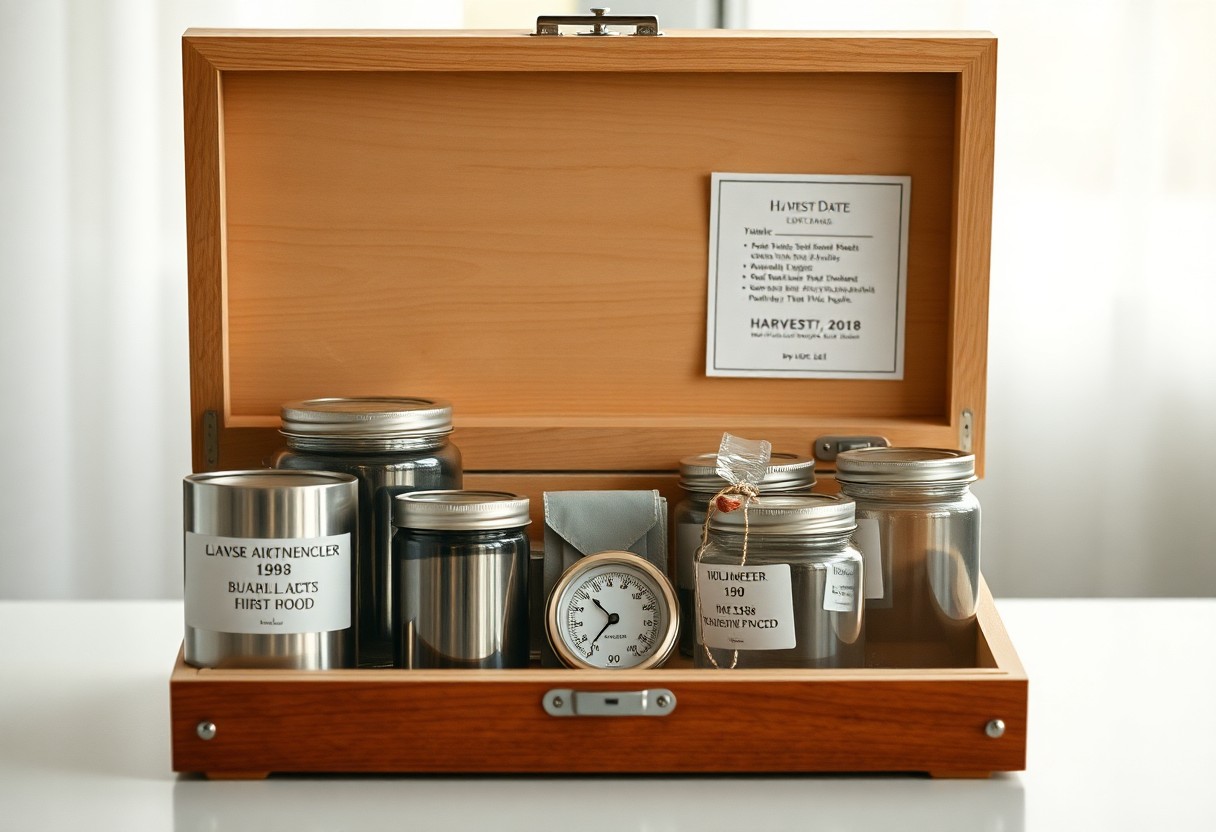
Choose glass jars (mason or amber) for long-term storage because they’re non-porous and limit off-gassing; use stainless steel tins for short trips; avoid loose plastic as static can strip trichomes and some plastics can leach odors. You should pair containers with humidity control at 55-62% RH and keep them in a cool, dark place to preserve terpenes and cannabinoids.
- Glass jars – best for long-term aroma and potency retention.
- Amber glass – reduces UV light exposure compared with clear glass.
- Stainless steel tins – durable for short-term transport without moisture exchange.
- Mylar bags (vacuum-sealed) – good for space-saving and extended storage when combined with moisture packs.
- Recognizing UV exposure and heat accelerate cannabinoid and terpene loss, always choose opaque, insulated options when possible.
| Container Type | Best Use / Notes |
|---|---|
| Glass (Mason) | Long-term home storage; add 62% RH pack; store at ~18°C (65°F). |
| Amber Glass | Blocks UV for multi-month storage; same RH recommendations as clear glass. |
| Stainless Steel Tins | Short-term travel; robust but pair with humidity control for days to weeks. |
| Mylar/Vacuum Bags | Space-efficient and low-oxygen; best when sealed with desiccant or RH pack. |
Importance of Airtight Seals
Keeping an airtight seal minimizes oxygen exchange that converts THC to CBN and degrades terpenes; studies and storage tests show properly sealed flower can maintain peak aroma and potency for roughly 6-12 months under stable conditions. You should check lids for warping and replace cracked seals to prevent gradual oxidation and moisture ingress.
Applying a vacuum sealer can reduce internal oxygen to <1%, markedly slowing oxidative breakdown, and pairing that with a 62% RH pack stabilizes moisture without promoting mold. For example, samples stored in amber glass with RH control at 18°C retained noticeably stronger terpene profiles after six months versus unprotected jars left in light.
How to Choose Appropriate Storage Containers
You should pick inert, airtight containers that keep humidity between 55-62% RH and temperature below 70°F (21°C). Glass and food‑grade stainless steel outperform plastic for preserving terpenes; for example, a 4-8 oz mason jar minimizes headspace for 3.5-14 g of flower. Use amber or opaque containers to block UV light, add a small hygrometer or a single 2‑way humidity pack, and avoid leaving large air gaps that speed oxidation and increase the risk of mold.
Glass Jars
Choose amber or clear mason jars with a tight screw lid or clamp; a 4-16 oz range covers single-use to bulk. Glass is inert so it won’t leach or absorb terpenes, and it lets you monitor buds visually. For best results, limit headspace to under 25% of jar volume, include a 55-62% RH pack for humidity control, and avoid plastic liners that can trap moisture and encourage mold.
Vacuum-Sealed Bags
Vacuum-sealed bags can reduce oxygen to under 1%, slowing oxidation and extending shelf life up to a year when stored cool and dark. They’re excellent for bulk storage, but direct vacuuming can compress buds and strip volatile terpenes; you should place jars or rigid inserts inside bags or use gentle sealing modes. If you plan to cure slowly, avoid long-term vacuuming without a humidity pack to prevent over-drying.
For best results use a chamber vacuum sealer when you need deep oxygen removal without crushing; chamber units equalize pressure and better protect sticky buds. Many commercial growers store 28-454 g (1-16 oz) lots in sealed bags for 6-12 months, but you’ll face trichome damage and terpene loss if buds are compressed or left bone-dry. To mitigate, insert a 2‑way 55-62% RH pack before sealing or vacuum at low pressure and check oxygen with a simple analyzer after sealing.
Best Practices for Storage
Keep cannabis in a dark, cool, airtight environment at about 60-70°F (15-21°C) and 55-62% relative humidity. Use glass jars with tight lids and 62% humidity packs, minimize handling, and avoid light and oxygen which accelerate THC conversion to CBN and terpene loss. Store away from heat sources; humidity above 65% invites mold while below 45% causes excessive dryness and terpene/cannabinoid degradation. Label jars with pack dates for rotation.
Short-term vs. Long-term Storage
For short-term use (days to 6-8 weeks) keep jars at stable room-cool temps and open only when needed to preserve terpenes. For long-term (6+ months) drop temperatures to about 50-59°F (10-15°C), use vacuum-sealing or nitrogen flushing, and store in darkness to limit oxidation. Avoid freezer storage unless you vacuum-seal and flash-freeze, because trichomes become brittle and can break, reducing potency.
Labeling and Organization
Label every container with strain, harvest/pack date, THC/CBD% when available, humidity pack value, and a jar or batch number (e.g., “Blue Dream | 2025-08-10 | 18% THC | 62% RH | Jar 3”). Use waterproof labels and color-coded lids to sort by potency or intended use, and arrange shelves so older batches are at the front to ensure FIFO rotation and minimize waste.
Implement a simple inventory routine: audit shelves every 30-90 days, log humidity readings monthly, and attach QR codes linking to lab reports or strain notes. Example workflow-scan a jar, verify pack date and RH at 55-62%, then set a “use by” of 9-12 months for standard storage. This helps you quickly isolate suspect batches and maintain consistent quality across your stock.
Tips for Properly Storing Cannabis
- Humidity control (55-62% RH)
- Temperature stability (60-70°F / 15-21°C)
- Airtight glass containers over plastic
- Light protection – opaque or dark storage
- Labeling with date, strain, and potency
Perceiving how those variables interact lets you prioritize: use glass mason jars with a calibrated hygrometer, add a Boveda 62% pack per 1-2 ounces of flower, keep jars in a dark, cool cabinet, and limit handling to protect trichomes.
Best Practices for Storing Flower
You should store cured flower in small batches inside clean, dry glass jars at 55-62% RH and 60-70°F (15-21°C). Use a hygrometer and one Boveda 62% or equivalent per 28-56 g (1-2 oz), avoid plastic bags that create static and shred trichomes, and check weekly for mold or off-odors.
Storing Edibles and Concentrates
For edibles, you should separate by type: baked goods last ~3-7 days at room temp, refrigerate for 2-3 weeks, and freeze for 3-6 months; chocolates and hard candies last longer. For concentrates, store in small glass or medical-grade silicone containers, keep cool and dark, label with date, and avoid moisture to preserve potency and terpenes.
When freezing edibles or concentrates, vacuum-seal or double-wrap in airtight, opaque packaging and store at ≤-18°C (0°F); thaw sealed in the fridge to prevent condensation. For sticky extracts like rosin use parchment-lined silicone jars, keep concentrates between 1-4°C for medium-term storage, and always note date and batch to track degradation of THC and terpenes.
Tips for Maintaining Potency
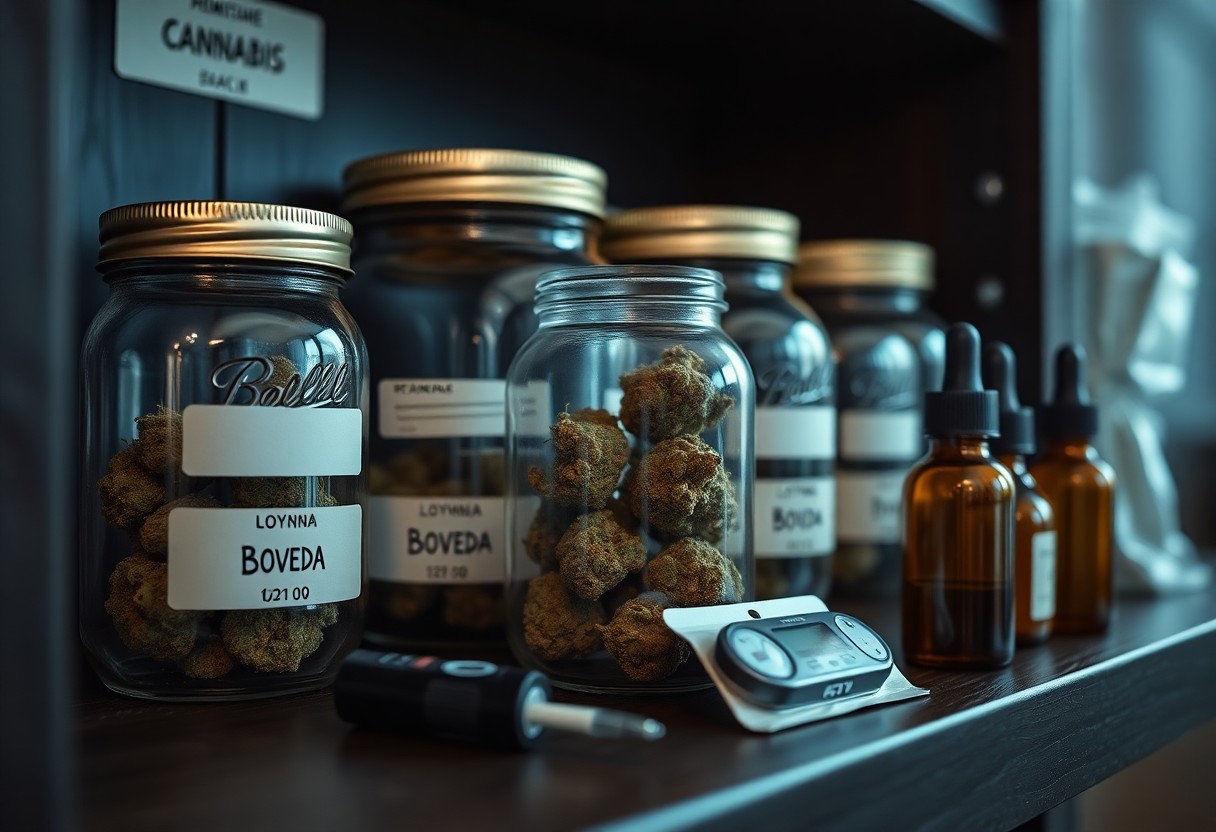
You should store cannabis at 18-21°C (65-70°F) and 58-62% RH in airtight, opaque glass jars; use Boveda 62% packs to protect terpenes and potency. A jar-top hygrometer helps you track conditions-terpene loss accelerates above 25°C and light exposure bleaches cannabinoids. For step-by-step methods and product suggestions, consult How To Store Cannabis and Keep It Fresh Tips From Frosteez. Perceiving shifts in aroma, open jars briefly to rebalance humidity or swap packs.
- Temperature: keep 18-21°C (65-70°F).
- Humidity: maintain 58-62% RH with calibrated packs.
- Light & Air: use opaque, airtight glass to block UV and oxygen.
Avoiding Frequent Handling
You should limit contact because each touch can dislodge fragile trichomes, reducing THC and aroma; move 0.5-1 g into a daily jar for use so your main stash is opened only every 2-4 weeks, wear nitrile gloves or use tweezers when trimming, and use a grinder with a kief catcher to collect lost resin for later use.
Keeping Away from Strong Odors
You must store cannabis away from culinary spices, cleaning chemicals, and scented products since terpenes absorb external odors quickly; keep jars inside a sealed cupboard or container with an activated charcoal sachet and maintain at least 20-30 cm distance from strong-smelling items to prevent flavor contamination.
Further, place your sealed jars inside a secondary odor-proof box or vacuum-sealed bag if you store near kitchens; in one household example, jars stored beside spice racks developed off-flavors within two weeks, whereas jars kept in a charcoal-lined box retained original aroma for months-use this approach to protect delicate terpene profiles and overall potency.
How to Monitor Stored Cannabis
Keep close tabs with a calibrated digital hygrometer (±2% accuracy) and a thermometer; aim for 58-62% RH and 15-21°C (59-70°F). Check jars weekly for the first month, then every 2-4 weeks, watching for condensation, clumping, or an off smell. If RH creeps above 65% you risk mold growth; below 40% you’ll lose terpenes and cannabinoid potency. Use clear jars or label opaque containers with last-inspected dates for organized rotation.
Utilizing Humidity Packs
Use single-serve humidity packs like Boveda or Integra Boost set to 58% or 62% RH to stabilize buds; one pack will typically stabilize a small jar for about 2-3 months, while larger batches need multiple packs. Packs both add and absorb moisture, protecting terpenes and preventing over-drying or mold-prone spikes. Place packs inside the container without direct bud contact for best airflow, and swap them when they become rigid or lose flexibility.
Regular Inspection
Open containers briefly to inspect visually and by smell: use a 30-60x loupe to check trichomes while avoiding extended air exposure. Note any white fuzz, black spots, or ammonia/musty odors as immediate red flags; set a schedule of weekly checks for new harvests and monthly checks for cured stock. Log RH, temperature, and inspection notes so you can spot trends that indicate drying or humidification problems.
When you find a suspect bud, isolate that jar immediately in a sealed bag and inspect multiple buds from different jar layers-mold often starts inside dense flowers. Use gloves or clean tweezers to avoid cross-contamination and photograph any growth for reference. If you detect fuzzy mycelium or a sour, chemical smell, discard the entire affected batch rather than trying to cut away mold; freezing or smoking moldy cannabis is hazardous to health. Adjust humidity packs or storage conditions based on your inspection log.

How to Revive Dried-Out Cannabis
You can restore texture and potency by gradual rehydration, targeting a relative humidity (RH) of 58-62%. Use airtight jars and introduce moisture over 24-72 hours to avoid shock; sudden wetting risks mold. If trichomes appear intact, slow rehydration often recovers aroma and smoke quality; if buds are powdery or have a musty smell, salvage chances drop sharply.
Methods for Rehydration
Use commercial packs like Boveda or Integra Boost (62% RH) for predictable results; place one pack per 14-28 g of flower in a jar. Short-term methods include a small piece of damp paper towel or a cotton swab with distilled water placed outside a mesh pouch for 12-48 hours. Avoid direct contact with liquid and citrus peels, which frequently introduce mold.
Signs of Deterioration
Watch for color shifts to brown, loss of sticky resin, or brittle, powdery texture; optimal moisture content is ~10-12%, while below ~8% leads to excessive crumbling. A sharp, chemical or musty smell often indicates terpene loss or contamination, and white fuzz or a sour, mildew odor signals mold-do not consume contaminated material.
If trichomes are mostly amber and flattened under a 30-60× loupe, potency has likely declined as THC converts to CBN over months. Perform a snap test-fresh buds snap stems while over-dried crumble-and evaluate smoke: harsher, throat‑irritating smoke indicates degradation. Should you detect visible mold or persistent mustiness, discard the batch and sanitize storage to prevent cross‑contamination.
Tips for Maintaining Potency and Flavor
Minimize light, heat and oxygen to protect potency and flavor: store cured flower in airtight glass, maintain 55-62% RH and keep temps around 60-70°F (15-21°C). Use humidity packs and UV-blocking containers, avoid plastic long-term, and limit jar openings to reduce oxidation.
- Limit openings – oxygen speeds THC breakdown
- Use 62% humidity packs for flower stability
- Store in dark, stable temperature to preserve terpenes
Any further reading: Tips to Keep Weed Fresh for As Long as Possible.
Avoiding Common Mistakes
You should avoid long-term storage in plastic because static strips trichomes and lowers cannabinoid content; many pros use glass to prevent loss. Rapid temp swings from a fridge create condensation that raises mold risk above 65% RH, so keep humidity steady. Limit handling during the first 2-4 weeks of curing to minimize oxidation and terpene loss, and discard any bud with visible fuzz or a musty odor.
Preservation Techniques
Use airtight glass jars with calibrated humidity packs (typically 58-62% for flower) and store at 60-70°F (15-21°C); these conditions slow THC-to-CBN conversion and preserve terpenes. For longer vaulting, vacuum sealing or inert-gas flushing reduces oxygen but can compress trichomes, so weigh pros and cons for whole-flower storage.
For more advanced preservation, consider nitrogen flushing for multi-month storage in sealed containers and use reusable 62% packs for terpene retention; avoid silica desiccants for flower because they overdry. Rotate and inspect jars weekly for the first month, and if you plan year-plus storage, vacuum-seal small portions to prevent repeated opening while keeping your supply intact.
Common Mistakes to Avoid
Using the wrong storage or ignoring conditions will rapidly degrade quality: plastic bags, open jars, and clear containers let in light, oxygen, and static that strip terpenes and convert THC to CBN. You should keep humidity at about 55-62% RH and temperature below 70°F (21°C); higher humidity supports mold, while freezer exposure can shatter trichomes and ruin texture. Small, airtight glass containers with humidity packs preserve potency and aroma far better than improvisations.
Improper Container Choices
Throwing buds into plastic or loose tins increases static and oxygen contact, which accelerates degradation; glass is best, ideally amber or opaque to block UV. Use jars sized to minimize headspace, airtight lids or vacuum seals, and consider nitrogen flushing for long-term storage. Avoid resealable sandwich bags and wide-mouth containers that let humidity fluctuate and crush trichomes during handling.
Neglecting the Environment
Failing to monitor humidity and temperature exposes your stash to mold or terpene loss: RH below 45% dries buds and knocks off terpenes, while RH above 65% invites mildew within weeks. You should use a hygrometer, place jars away from heat sources, and maintain steady conditions-seasonal swings are often the actual culprit behind spoilage, not just absolute numbers.
For more control, use calibrated hygrometers and 55-62% humidity packs like Boveda 62% or Integra 55% depending on desired moisture; keep storage in a dark, cool closet rather than a kitchen or attic. You can also rotate jars periodically, check for condensation after temperature changes, and record RH/temperature over several days to spot problematic swings before mold or terpene loss occurs.
Conclusion
Taking this into account, you should store cannabis in airtight glass jars in a cool, dark place with stable humidity (around 55-62%) using humidity packs, avoid plastic and heat or light exposure, limit handling to preserve trichomes, keep strains separated to prevent flavor transfer, and check periodically to prevent mold; proper storage maintains your cannabis’s potency, aroma and safety.
To wrap up
Presently, you should store cannabis in airtight glass jars in a cool, dark place, maintain relative humidity around 55-62% with humidity packs, avoid heat, light, and frequent handling, and keep flower separate from strong odors and contaminants; these steps preserve terpenes, cannabinoids, aroma, and potency so your supply stays fresh and effective over time.
FAQ
Q: What containers and storage location are best to keep cannabis fresh and potent?
A: Use airtight glass containers (mason jars or amber/UV-resistant jars) stored in a cool, dark place. Glass is inert and won’t leach odors; opaque or amber glass blocks light that degrades cannabinoids and terpenes. Match jar size to the amount of flower so there’s minimal empty air space, and avoid plastic bags or clear plastic containers for long-term storage because they allow light, static, and odors to affect quality. Store jars away from heat sources and direct sunlight, and minimize how often you open them to reduce oxygen exposure.
Q: How should I control humidity and temperature inside storage to preserve potency and aroma?
A: Maintain relative humidity (RH) around 55-62% for cured flower to keep trichomes intact and terpenes stable. Use two-way humidity packs (Boveda, Integra Boost) or a small calibrated hygrometer inside a jar to monitor and stabilize RH-do not rehydrate with fruit or wet materials. Keep temperature steady at about 60-70°F (15-21°C); avoid refrigerators because temperature swings and condensation promote mold, and avoid ordinary freezers unless flower is vacuum-sealed (freezing can make trichomes brittle). Limit oxygen exposure by filling jars appropriately or using vacuum-sealing for long-term storage.
Q: How long will cannabis stay potent, how can I store it long-term, and how do I detect spoilage?
A: Properly stored cannabis retains most potency and aroma for 6-12 months; gradual cannabinoid oxidation (THC to CBN) and terpene loss occur over longer periods. For long-term storage, keep material cool, dark, dry, and low-oxygen-vacuum sealing or using inert-gas flushing plus opaque containers in a cool area works best. Label jars with strain and harvest/cure date and rotate stock so older material is used first. Check periodically for musty or off smells, visible white or fuzzy mold, or an unusually harsh smoke-those indicate spoilage and the material should be discarded. Concentrates and edibles have different shelf lives and generally require colder, darker storage and attention to their specific packaging guidelines.