
You can reset your cannabis tolerance safely by planning a short, intentional break and using evidence-based strategies to limit discomfort. Set a clear timeline, reduce use gradually rather than abruptly, hydrate, sleep well, and track mood; be aware that withdrawal symptoms (insomnia, irritability, anxiety) can occur and you should avoid driving or operating heavy machinery while impaired. Seek support and consider consulting a healthcare professional if symptoms persist.
Key Takeaways:
- Take a planned tolerance break or taper: abstain for 2-4 weeks to reset most users, or reduce dose over 1-2 weeks if full abstinence causes significant discomfort.
- Support the process with self-care and alternatives: stay hydrated, prioritize sleep and exercise, and consider CBD or non-intoxicating cannabinoids to ease withdrawal symptoms.
- Restart cautiously and seek medical advice if needed: begin at a small fraction of your previous dose, increase slowly while monitoring effects, and consult a clinician if you use cannabis medically or take interacting medications.
Understanding Cannabis Tolerance
What is Cannabis Tolerance?
You develop tolerance when repeated cannabis exposure reduces its subjective and physiological effects through CB1 receptor downregulation and signaling adaptations; many users notice reduced effects within 1-2 weeks of daily use, for example escalating from a 5 mg edible to 15-25 mg to achieve the same result. Assume that tolerance reflects fewer available receptors and altered neural response, which often reverses with sustained abstinence.
- CB1 receptors
- downregulation
- dose escalation
- reversibility
Factors Affecting Tolerance Levels
Frequency and dose are primary drivers-daily or multiple-times-per-day use and high-THC concentrates accelerate tolerance far more than occasional use; route matters too, with inhalation causing faster onset and plazas of receptor engagement than edibles. Genetics, age, sex, and metabolic rate (CYP enzymes) further modify your response; some studies show many users’ receptors normalize after ~4 weeks abstinent. Assume that two people taking identical doses can develop very different tolerance trajectories based on these variables.
- frequency
- THC potency
- route of administration
- genetics & metabolism
If you use several times daily, tolerance can rise within days and produce withdrawal signs-insomnia, irritability, and appetite loss often begin 24-72 hours after stopping, peak around days 2-6, and commonly improve by two weeks; structured dose reduction or switching to lower-THC/CBD-dominant options helps manage this. Assume that a planned abstinence window of 2-4 weeks produces measurable receptor recovery for many users and lowers required doses thereafter.
- withdrawal timeline
- dose reduction
- CBD substitution
- 2-4 week reset
Safe Methods to Reset Tolerance
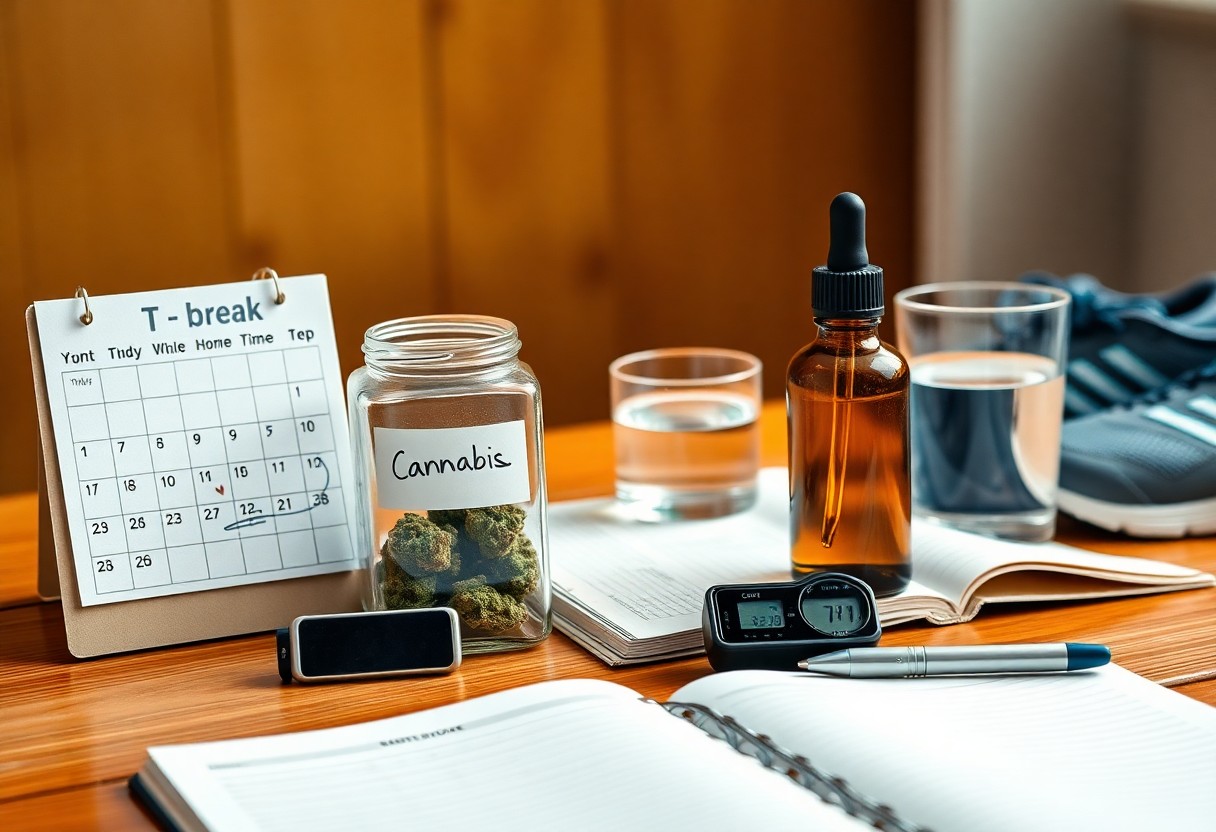
You can approach tolerance reduction in two evidence-backed ways: tapering your use over several weeks or taking a full abstinence break for 2-4 weeks (some PET studies show partial CB1 receptor recovery by day 28). Combine either method with sleep hygiene, regular exercise, and hydration to ease symptoms; track doses and effects in a simple log so you can spot progress. If you have a history of anxiety or psychosis, consult a clinician before changing your regimen to avoid worsening symptoms.
Gradual Reduction Techniques
Try reducing THC intake by roughly 10-25% per week-for example, cut a 0.5 g daily habit to 0.4 g the first week, then 0.3 g-while switching to lower-THC (5-10%) flower or microdosing with 2-5 mg THC sessions. Pair reductions with CBD-dominant products or non-psychoactive routines to blunt withdrawal, and log frequency, dose, and effects so you can adjust pace if insomnia or irritability spikes.
Complete Abstinence Approach
Going fully abstinent for 2-4 weeks often yields the fastest receptor resensitization; many regular users report noticeably stronger effects after a 14-28 day break. Expect withdrawal symptoms like irritability, sleep disruption, and reduced appetite to peak in days 2-7, then generally subside; prepare for early discomfort and set supportive measures in place to stay on track.
To increase your odds of success with complete abstinence, set a clear quit date, remove paraphernalia, and inform a friend or accountability partner; use structured strategies such as exercise (30-45 minutes, 3-5 times weekly), consistent bedtime routines, and short-term sleep aids like melatonin (1-5 mg) if needed. If withdrawal causes severe insomnia, panic, or suicidal thoughts, seek professional help immediately. Clinical monitoring is advised for people on psychiatric meds, and many find cognitive behavioral techniques or brief counseling sessions reduce relapse rates during the first month.
Tips for a Successful Reset
Set a specific goal: a 2-4 week tolerance break often cuts cannabis tolerance by about 50% for many users, while a 48-hour pause can give modest gains in THC sensitivity. You should track use, control sleep and caffeine, and prepare replacement activities to handle cravings; apps or a support buddy help. For short-break expectations consult Will a 2-Day Tolerance Break Work? What to Expect. After you finalize logistics, enforce boundaries that limit exposure to triggers.
- Set a quit date and define length (48 hours, 7 days, 2-4 weeks).
- Taper vs cold turkey: choose based on past withdrawal severity.
- Sleep hygiene: aim for 7-9 hours to normalize receptors.
- Hydrate and eat regularly to reduce withdrawal headaches.
- Replace cues with exercise, hobbies, or social support.
Stay Hydrated and Maintain Nutrition
You should drink about 2-3 liters of water daily, increase electrolytes if you sweat, and eat balanced meals with lean protein, healthy fats, and whole grains; magnesium-rich foods (nuts, spinach) and 1,000-2,000 IU vitamin D can ease sleep and mood swings, and proper hydration helps blunt common withdrawal symptoms like headache and nausea.
Engage in Alternative Activities
You can replace smoking windows with 30-45 minutes of brisk exercise, 20-30 minutes of mindfulness or a creative hobby to occupy hands and mind; scheduling three specific activities daily sharply reduces idle time and lowers relapse risk.
More specifically, aerobic exercise raises endocannabinoid levels-30 minutes of moderate cardio often produces a measurable anandamide boost-so plan routines (running, cycling, swimming) three times weekly, join a class or group to add accountability, and rotate hobbies (music, woodworking, volunteer shifts) to keep novelty high and cravings low; track activities to see which reliably reduces urge intensity.

Monitoring Your Progress
Track objective metrics: number of use days per week, average mg THC per session, onset and duration in minutes/hours, and a subjective intensity scale (0-10). Compare weekly totals and note days since reset; many people see measurable tolerance drops after 7-14 days and larger gains by 30 days. Watch for severe anxiety, chest pain, or suicidal thoughts as signals to get medical help immediately. Use graphs or simple charts to spot plateaus or relapses.
Keeping a Consumption Journal
Log date, product type (flower/edible/vape), strain or CBD:THC ratio, dose in mg THC, method, onset (min), peak (hrs), duration, effects 0-10, mood, sleep hours, and side effects. Try a spreadsheet or apps like Releaf; sample entry: “3/12 – edible 5 mg THC, onset 45 min, peak 2 hr, intensity 6/10, calm, slept 7.5 hr.” Adjust dose by 10-20% steps and note tolerance shifts week to week.
Understanding Your Body’s Signals
Expect withdrawal signs 24-72 hours after reducing use, often peaking at 1-2 weeks and declining by 2-4 weeks; common symptoms include irritability, insomnia, reduced appetite, and anxiety. Rate symptoms 0-10 daily and flag persistent scores ≥7 or new physical symptoms. Severe shortness of breath, chest pain, fainting, or suicidal ideation require immediate medical attention. Track sleep and heart rate to quantify recovery.
Use concrete measures: log sleep minutes, resting pulse, appetite (meals/day), and anxiety scores to detect trends; for example, a resting rate dropping from 88 to 72 bpm over two weeks suggests physiological recovery. Employ short practices-20-30 minutes brisk exercise, 5-10 minute diaphragmatic breathing (4-4-8 pattern), and consistent sleep schedule-to reduce symptoms. If anxiety remains >7/10 for 48+ hours or you experience panic attacks, contact a clinician for assessment and support.
Reintroducing Cannabis After a Reset
After your reset, reintroduce cannabis slowly to gauge sensitivity and avoid overconsumption. Begin sessions with low-potency products, keep doses to 2.5-5 mg THC for edibles or choose flower under 10% THC, and log each session’s dose, route, and effects. Limit use to 1-3 times per week initially, and avoid mixing with alcohol or sedatives. If you notice persistent anxiety, palpitations, or impaired functioning, pause and reassess your plan.
Starting with Lower Potencies
Begin with microdoses like 2.5 mg THC or a 1:1 CBD:THC ratio product, or choose inhalable cannabis with 5-10% THC. Try a single inhalation or a quarter of a small edible serving, then wait the appropriate time before repeating. Keep a pen-and-paper log or app noting dose and effect level (0-10). Avoid concentrates and high-THC cartridges until you know your new baseline.
Observing the Effects
Track onset and peak times: inhalation usually begins in 1-10 minutes and peaks by 20-30 minutes, while edibles can take 30-120 minutes to onset and peak at 2-4 hours. After each session rate your effect on a 0-10 scale and note mood, sleep, and function. Stop if you experience severe anxiety, racing heart, or nausea, and seek medical help if symptoms worsen.
If a single puff yields a 3/10 effect in 15 minutes, try increasing to two puffs next session; for edibles, raise by no more than 2.5-5 mg THC after a full 24-48 hour trial. Space sessions 48-72 hours apart initially to prevent rapid tolerance rebound. Monitor pulse by counting beats for 15 seconds and multiplying by four; if it’s consistently high or symptoms persist beyond a few hours, contact a healthcare provider and avoid driving or operating machinery.
Common Challenges and Solutions
You’ll encounter withdrawal, sleep disruption, social triggers and cravings; withdrawal often peaks within 48-72 hours and most acute symptoms ease within two weeks. Practical fixes include a gradual taper, strict sleep hygiene, hydration, and daily aerobic activity (20-30 minutes) to stabilize mood. Use cognitive tools like urge-surfing and logging triggers. If you experience severe anxiety, chest pain, or suicidal thoughts, seek medical help immediately.
Dealing with Withdrawal Symptoms
Typical symptoms-insomnia, irritability, decreased appetite and headaches-usually appear within 24-72 hours. A short taper over 1-2 weeks reduces intensity; pair that with sleep hygiene, bright-light exposure in the morning, and brief aerobic exercise (20-30 minutes) to reset sleep and appetite. Consider short-term melatonin (0.5-3 mg) under medical guidance for sleep. If symptoms markedly worsen or interfere with daily function, contact a healthcare provider.
Managing Cravings
Urges often surge and then subside within 5-15 minutes; delaying for 10 minutes consistently weakens them. Use distraction (a 10-minute walk, phone call, or a 5-minute breathing exercise), avoid high-risk places for the first 2-4 weeks, and enlist a support person. Track craving severity on a 1-10 scale so you can spot patterns and adjust strategies. Repeated delays reduce relapse risk over time.
Use a practical 4-step plan when a craving hits: 1) name the urge and rate it 1-10, 2) do 2 minutes of box or deep breathing, 3) delay for 10 minutes and perform a replacement activity (10-minute walk, 5-minute distraction, or a call), 4) log the trigger and outcome. Build a toolkit of at least three replacement activities and schedule structured exercise 3×/week for 30 minutes to lower overall craving frequency.
Conclusion
As a reminder you should plan a safe tolerance reset by tapering use or taking a brief abstinence, prioritizing sleep, hydration, nutrition, and exercise, and seeking medical advice if you have health conditions or use other medications. Track symptoms, reduce dosage gradually when you reintroduce cannabis, and allow several weeks for receptor recovery. This approach minimizes withdrawal, preserves well-being, and helps you regain predictable effects when you resume use.
FAQ
Q: How do I safely take a tolerance break from cannabis?
A: Plan the break with a goal length (common windows: 1-2 weeks for light users, 2-4 weeks for regular users, 4+ weeks for heavy long-term use). Choose tapering or cold-turkey based on your use pattern and withdrawal risk: taper by gradually reducing dose and frequency over 1-2 weeks if you use heavily; stop completely if use is lighter. Support the process with consistent sleep, regular exercise, hydration, balanced meals, stress-management techniques (breathing, short walks, meditation), and social support. Expect common withdrawal symptoms such as sleep disruption, irritability, appetite changes, and cravings; these are usually time-limited. If withdrawal is severe, you have a history of substance dependence, are pregnant or breastfeeding, or take medications that interact with cannabis, consult a healthcare provider before and during the break. Keep triggers out of your environment, track progress (journal or app), and plan rewards or alternative activities to replace habitual use.
Q: What safe strategies reduce tolerance without quitting completely?
A: Use dose reduction and spacing: lower the amount per session and increase the time between sessions (for example, limit to alternate days or set designated cannabis-free days each week). Microdosing-taking much smaller amounts to achieve mild effects-helps preserve function while lowering cannabinoid exposure. Switch to lower-THC or higher-CBD products to reduce psychoactive load; CBD-dominant products can mitigate tolerance buildup and reduce cravings for some people. Avoid continuously consuming very high-potency concentrates or frequent edible binges, which accelerate tolerance. Track intake objectively (grams, milligrams, or hits per session), remove cues that prompt automatic use, prioritize sleep and exercise to improve baseline mood and reduce reliance on cannabis for coping, and periodically schedule short breaks (one week every 4-8 weeks) to reset receptor sensitivity.
Q: What precautions should I take when using cannabis again after a tolerance break?
A: Resume with a much lower dose than you used previously-start with one-quarter or less of your former dose for inhaled products and an even smaller fraction for edibles; wait an appropriate interval to assess effects (10-30 minutes for inhalation, up to 2-3 hours for oral edibles) before taking more. Avoid driving, operating machinery, or combining cannabis with alcohol, sedatives, or other central nervous system depressants until you know how the dose affects you. Be alert for stronger-than-expected psychoactive reactions such as anxiety, panic, or nausea; manage acute distress by moving to a calm environment, using slow controlled breathing, sipping water, and, if available, a small dose of CBD which may blunt THC effects. If severe symptoms persist or you have concerns about mental health effects, seek medical attention. To maintain lower tolerance, keep doses small, limit frequency, and continue periodic breaks.